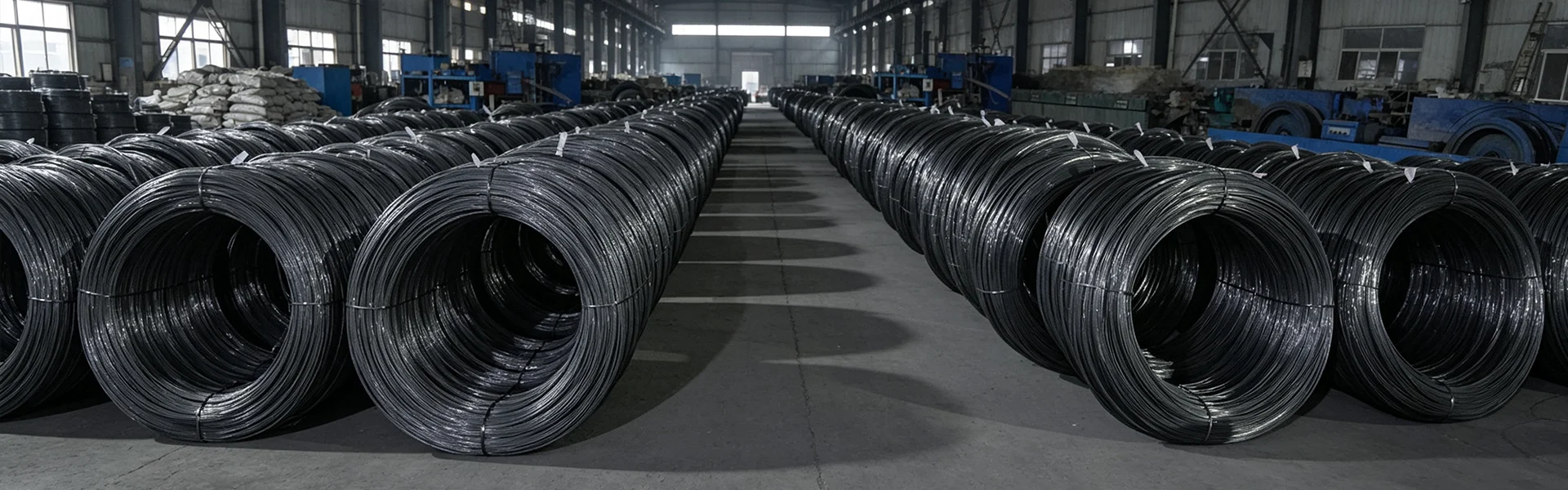
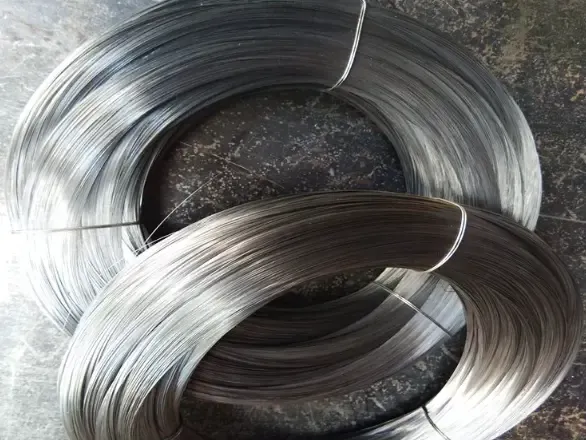
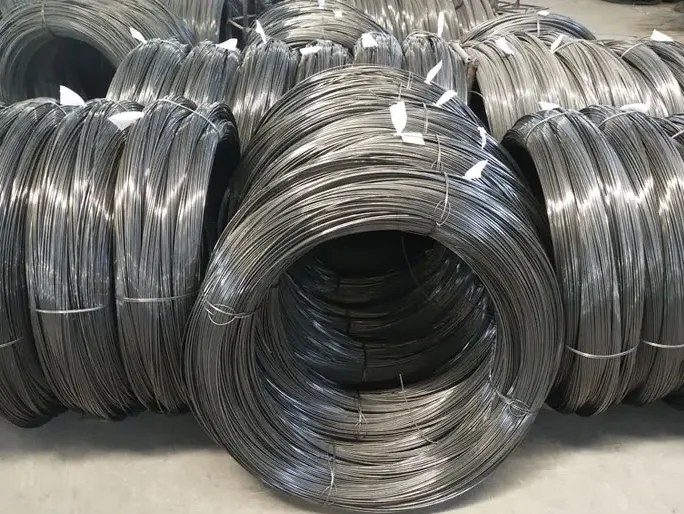
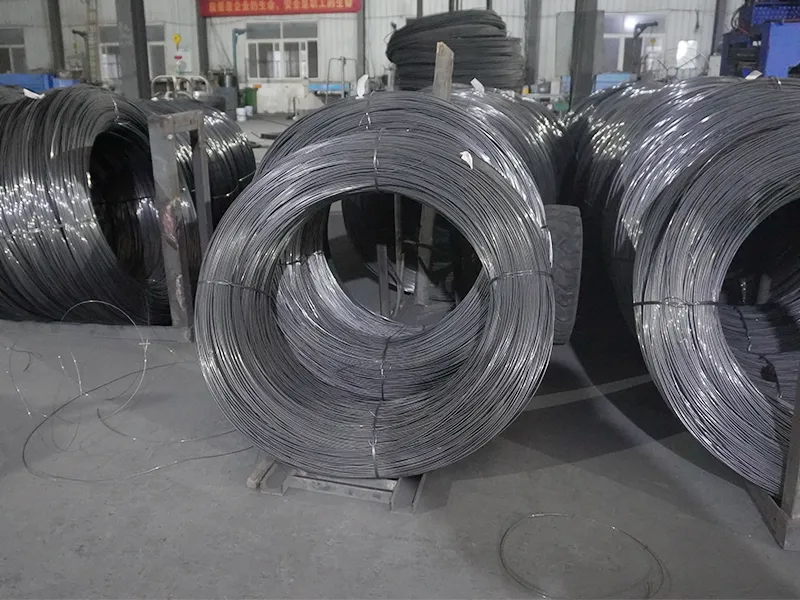
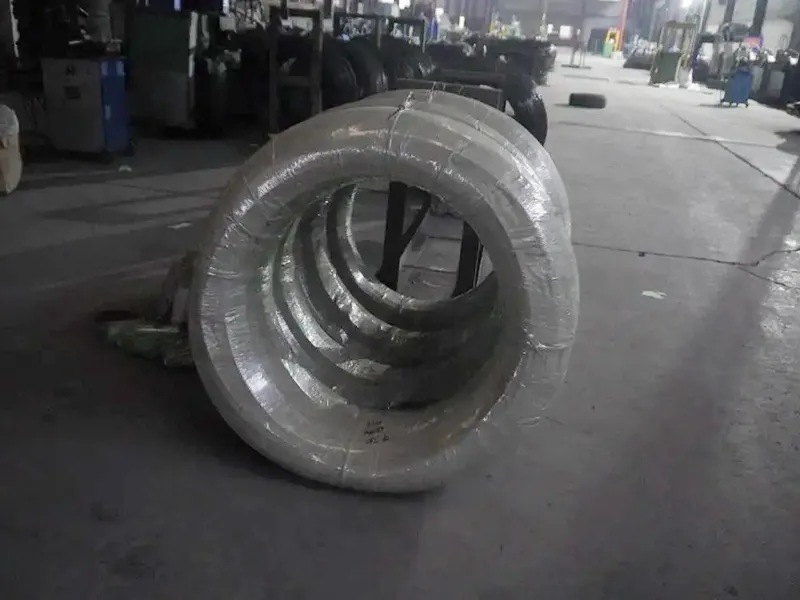
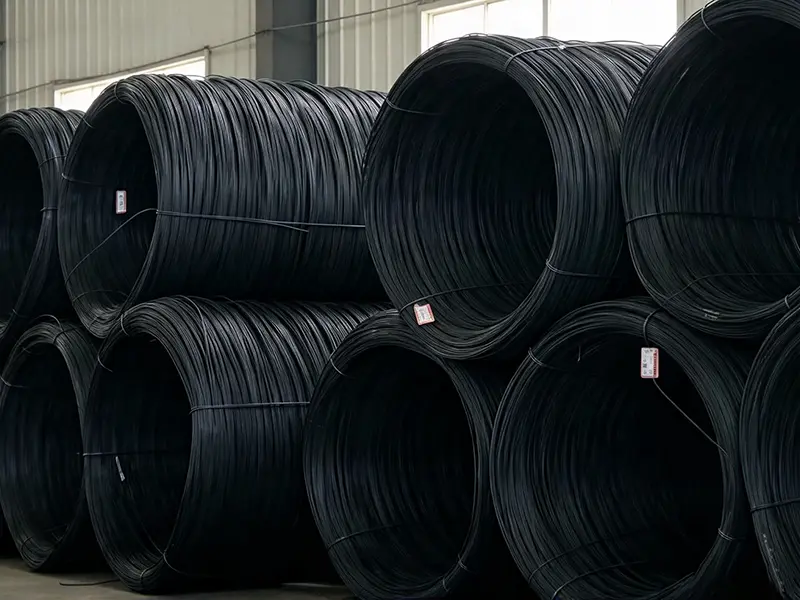
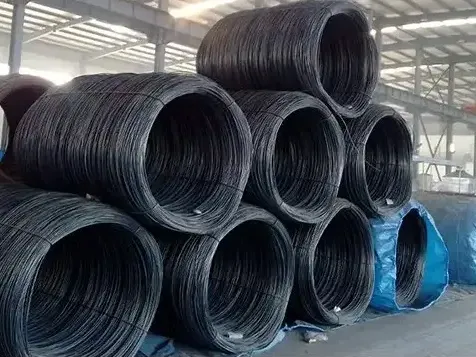
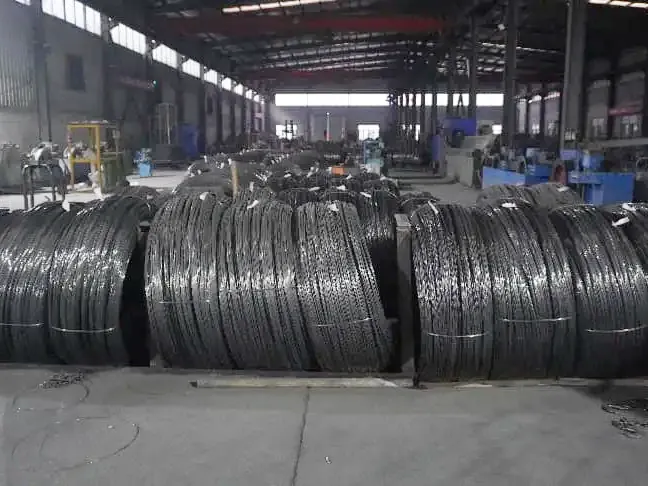
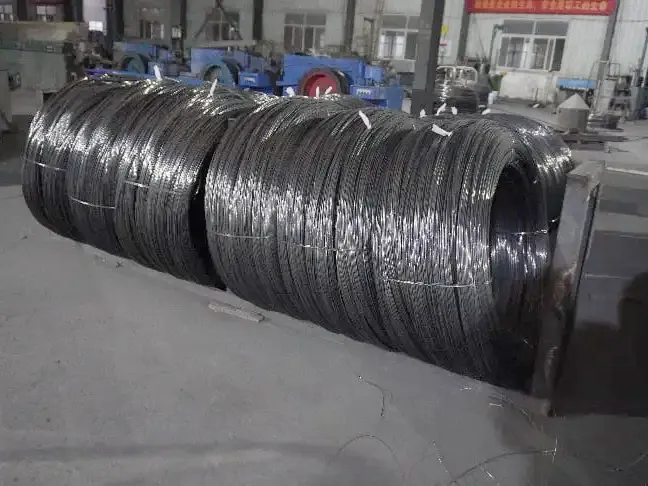
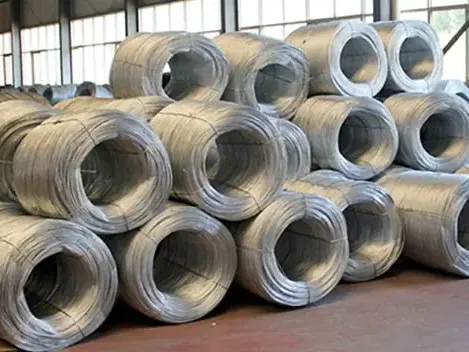
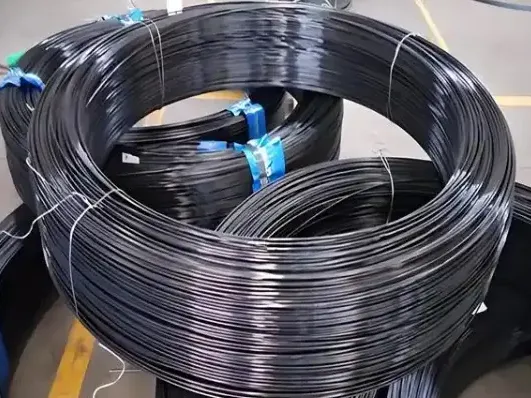
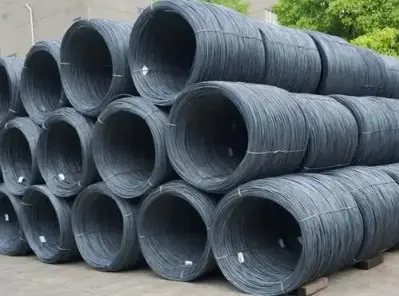
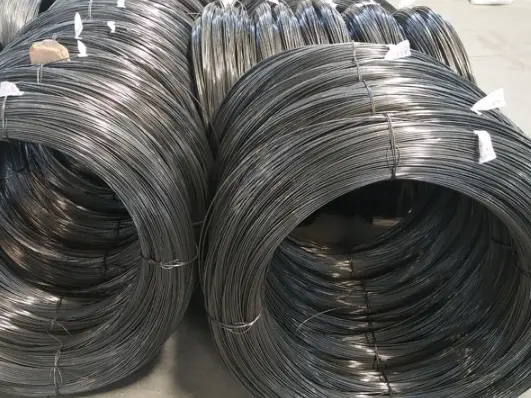
For engineering teams and procurement specialists sourcing high-performance spring materials, Alloy Spring Steel Wires from Luguan offers a dependable combination of tensile strength, fatigue endurance, and dimensional control.
What Is Alloy Spring Steel Wire?
Alloy spring steel wire is a precision wire product manufactured from steel grades that include intentional additions of silicon, chromium, vanadium, or manganese. These elements serve specific functions. Silicon increases the steel’s resistance to softening at elevated temperatures. Chromium improves hardenability and wear resistance. Vanadium refines grain size and increases fatigue strength. Manganese improves hardenability and tensile strength. When these elements are combined with controlled carbon content and proper heat treatment, the resulting wire can withstand repeated flexing, high stress, and moderate temperature exposure without losing its spring force.
Luguan manufactures alloy spring steel wires in diameters from 0.15 mm to 12.00 mm. The product is supplied in annealed, cold-drawn, and oil-tempered conditions. Each condition is designed for a specific stage of the spring manufacturing process. Cold-drawn wire is typically used when the spring will be formed and then heat treated. Oil-tempered wire is already heat treated and can be coiled directly into springs. Annealed wire is soft and suitable for processes that require further drawing or shaping.
Heat Treatment Conditions
Luguan supplies alloy spring steel wires in several heat treatment conditions. Each condition changes the forming behavior and final spring properties.
-
Annealed: soft and ductile, suitable for customers who plan to draw or reshape the wire before spring forming and heat treatment.
-
Patented: a controlled cooling process that produces a fine pearlite structure for subsequent cold drawing. This condition improves drawability and helps maintain uniform mechanical properties.
-
Cold drawn: reduced to final size through dies, giving higher tensile strength and a bright, smooth surface. Springs made from cold-drawn wire usually require stress relieving after forming.
-
Oil tempered: heated, quenched, and tempered to the final mechanical property range. This wire can be coiled directly into springs without further heat treatment, which reduces production cost and improves consistency for many high-volume spring applications.
Surface Finishes and Coatings
The surface condition of alloy spring steel wire affects coiling performance, corrosion resistance, and the adhesion of subsequent coatings. Luguan offers the following standard finishes:
-
Bright finish: smooth, clean surface suitable for electroplating or painting.
-
Phosphate coating: provides a micro-rough surface that retains drawing lubricants and improves cold forming.
-
Zinc coating: offers sacrificial corrosion protection for springs used in damp or exterior environments.
-
Copper coating: enhances electrical conductivity and promotes rubber-to-metal bonding.
-
Oil-tempered finish: light oil film that protects the wire during storage and assists coiling.
|
Coating Type
|
Typical Thickness (µm)
|
Key Benefit
|
|
Phosphate
|
3 – 12
|
Improved lubricant retention and corrosion resistance
|
|
Zinc
|
5 – 15
|
Sacrificial corrosion protection
|
|
Copper
|
1 – 4
|
Better conductivity and rubber adhesion
|
|
Oil-tempered
|
Light oil film
|
Ready for coiling and increased fatigue life
|
|
Bright
|
<1
|
Clean surface for plating or painting
|
Standards and Certifications
Luguan alloy spring steel wires can be produced to meet the following national and international standards:
|
Standard
|
Title
|
Typical Grade Coverage
|
|
ASTM A231
|
Chromium-Vanadium Alloy Spring Steel Wire
|
6150, 51CrV4
|
|
ASTM A401
|
Chromium-Silicon Alloy Spring Steel Wire
|
9254
|
|
DIN 17223
|
Round spring steel wire
|
Various alloy grades
|
|
JIS G3521
|
Hard drawn steel wire
|
SWOSC-V, SWOSC-B
|
|
EN 10270-2
|
Oil hardened and tempered spring steel wire
|
55CrSi, 60Si2Mn
|
Applications
Luguan alloy spring steel wire is used in applications where ordinary carbon spring wire cannot meet fatigue or temperature requirements. Typical industries and components include:
-
Automotive valve springs, clutch springs, and suspension springs
-
Railway and heavy equipment suspension systems
-
Power tools and garden equipment
-
Industrial machinery and stamping dies
-
Oil and gas downhole tool springs
-
Consumer hardware and locking mechanisms
-
Motorcycle shock absorber springs
-
Aerospace control springs and actuator springs
Quality Control and Testing
Luguan performs testing on every production lot to ensure that mechanical properties and surface quality are consistent. The following tests are included in the standard quality control program:
-
Chemical composition by optical emission spectrometry
-
Tensile strength and yield strength
-
Reduction of area and elongation
-
Surface roughness and coating thickness
-
Diameter and ovality at multiple positions
-
Decarburization depth
-
Fatigue life on sample springs
-
Eddy current surface inspection
Frequently Asked Questions
Which alloy grade should I select for automotive valve springs?
For automotive valve springs, silicon-chromium grades such as AISI 9254 and SWOSC-V are most commonly used. These grades offer tensile strengths between 1,800 and 2,100 MPa in the final oil-tempered condition, along with excellent resistance to sag and fatigue. If the spring operates at higher temperatures or under frequent resonance, a grade with vanadium such as 51CrV4 or modified SWOSC-V may provide better long-term stability. Luguan can recommend a grade after reviewing the spring design, expected stress, and working temperature.
Can Luguan supply custom diameters, tolerances, and coil weights?
Yes. Luguan produces steel wire in diameters from 0.15 mm to 12.00 mm. Standard tolerances follow DIN, JIS, or ASTM specifications, but tighter tolerances can be supplied for precision springs. Coil weights can range from 10 kg for fine wire up to 2,000 kg for heavy wire. Packaging can be adjusted to match the customer’s uncoiling equipment, including spools, coils, and palletized loads with moisture-resistant wrapping.
What surface finish should I choose for cold coiling?
For cold coiling, phosphate coating is often preferred because it retains drawing lubricants and reduces friction between the wire and the coiling tools. Oil-tempered wire with a light oil film is also suitable and can be coiled directly without additional lubrication. If the spring will be electroplated after forming, a bright finish may be the best option because it requires less cleaning before plating. Luguan can provide samples of different surface finishes to help determine the best match for your coiling process.
How does Luguan ensure consistent fatigue performance from coil to coil?
Luguan uses ladle-refined steel from controlled sources, continuous drawing and heat treatment processes, and statistical process control across all production lots. Each coil is tested for tensile strength, reduction of area, surface condition, and diameter. In addition, sample springs are coiled and tested for fatigue life when required by the customer. This combination of raw material control, in-process monitoring, and final inspection ensures that the wire performs consistently in high-cycle spring applications.
What documentation is provided with each shipment?
Luguan supplies a material test certificate with each shipment. The certificate includes heat number, chemical composition, tensile strength, reduction of area, diameter measurements, surface condition, and applicable standard. Additional documents such as eddy current inspection reports, dimensional charts, and packaging lists can be provided when requested. For customers with specific quality system requirements, Luguan can also supply PPAP documentation and process capability data.