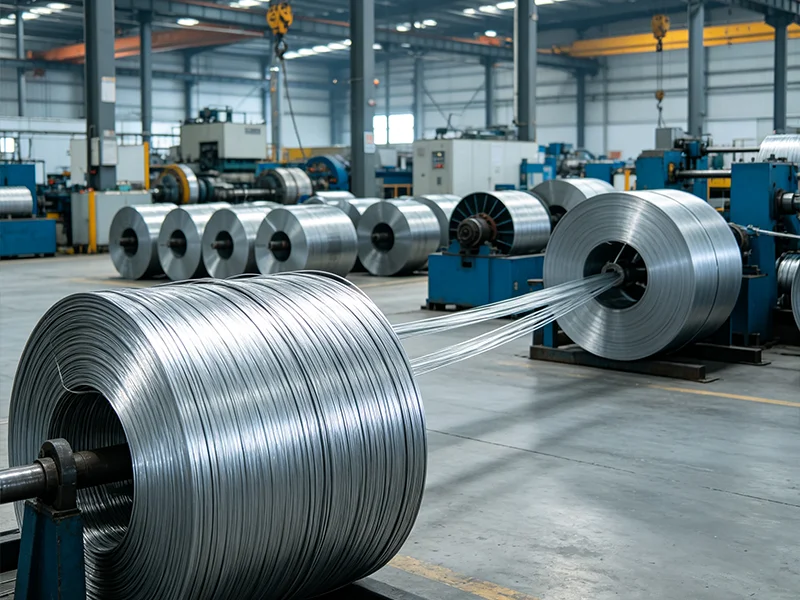
Article Summary: Cold drawn carbon spring steel wire is an important material for manufacturers seeking reliable strength, elastic response, dimensional consistency, and efficient spring forming. Understanding its manufacturing process, mechanical properties, surface finishes, and application requirements helps buyers select the right wire for automotive components, household appliances, hardware products, and industrial equipment. This guide explains the key selection criteria and quality considerations that influence spring performance.
As a specialized steel wire supplier, Luguan Xingsheng provides Cold Drawn Carbon Spring Steel Wire designed for manufacturers who need consistent dimensions, dependable mechanical properties, and practical processing performance. Produced through controlled cold drawing, this material supports a range of spring manufacturing requirements, from general mechanical components to repeatedly loaded elastic parts.
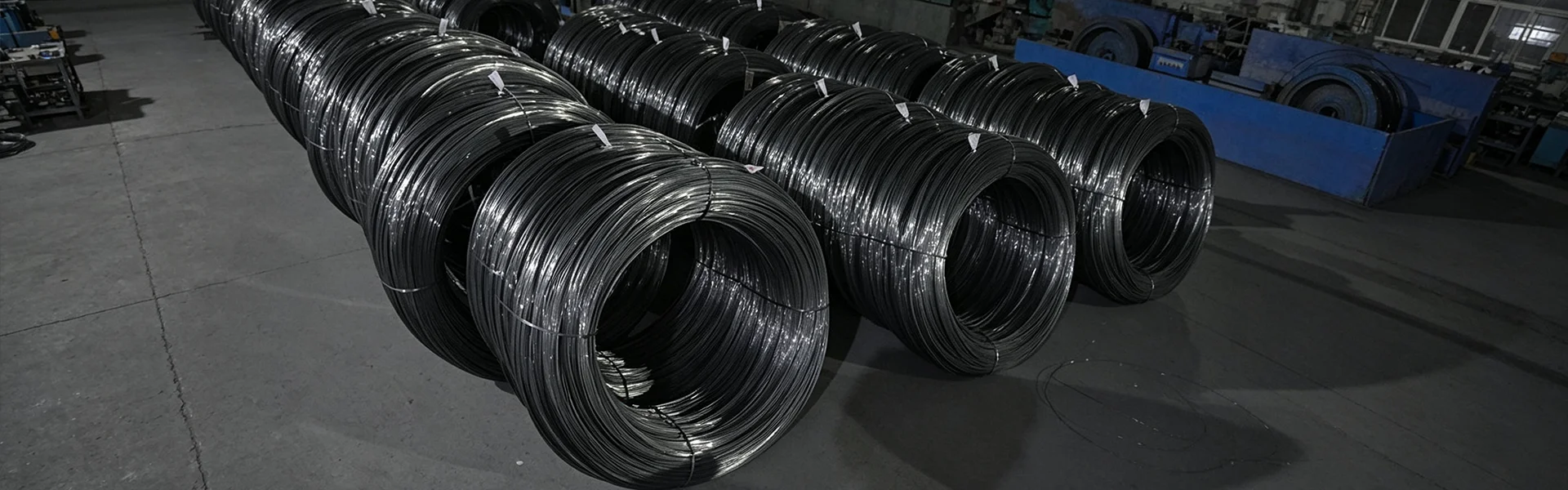
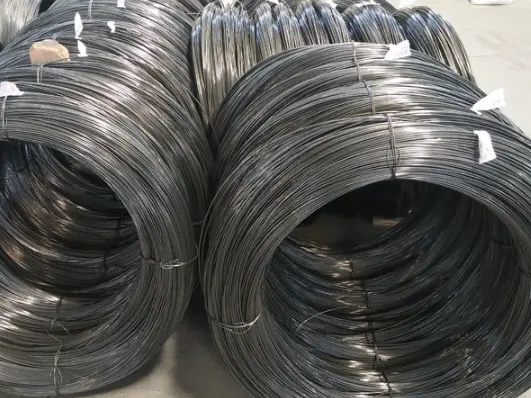
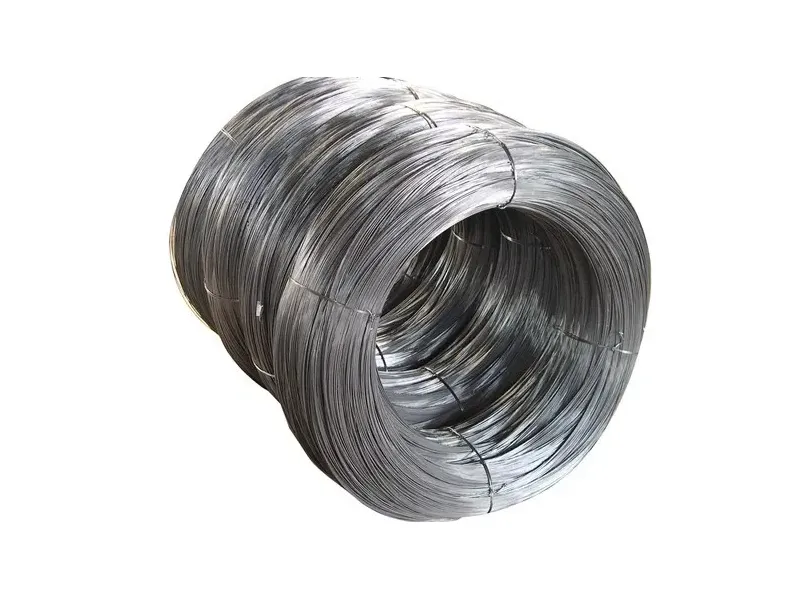
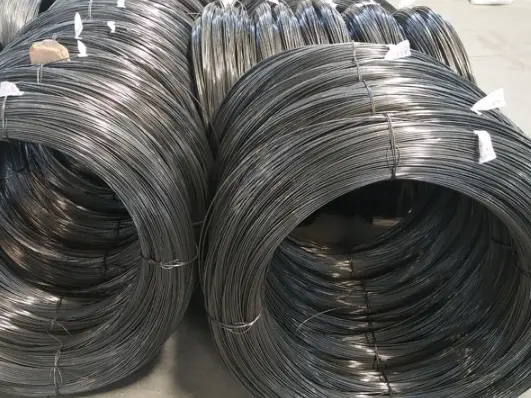
Cold drawn carbon spring steel wire is a steel wire product manufactured by drawing carbon steel through specially designed dies to reduce its diameter and achieve the required dimensional accuracy and mechanical characteristics. The process introduces cold-work strengthening, making the material suitable for applications that require a combination of strength, elasticity, and controlled forming behavior.
Unlike ordinary steel wire intended primarily for fastening or general fabrication, spring steel wire must meet the functional demands of components that deform and recover during operation. Compression, tension, bending, and repeated loading can all influence the service performance of a finished spring.
The final properties depend on several factors, including the steel grade, carbon content, wire diameter, drawing reduction, heat-treatment condition, and intended spring design. Selecting a suitable specification is therefore essential for achieving consistent manufacturing results.
Luguan supplies carbon spring steel wire for applications such as automotive components, household appliances, bicycles, hardware products, and other industrial components requiring elastic performance. Buyers can review the relevant Cold Drawn Carbon Spring Steel Wire product details when evaluating material requirements.
The manufacturing process influences the wire's diameter consistency, surface condition, tensile strength, and suitability for downstream forming. A controlled production route helps reduce unwanted variation between batches and supports predictable spring production.
Production begins with carbon steel selected according to the required chemical composition and mechanical properties. Carbon content is particularly important because it influences strength, hardness, and the response to heat treatment. The appropriate grade should be determined by the intended spring design rather than by carbon content alone.
Before drawing, the wire rod may undergo surface preparation to remove contaminants or scale that could interfere with processing. The prepared material is then drawn through dies to reduce its diameter and establish the required wire dimensions.
Careful control of drawing conditions helps maintain dimensional consistency and an appropriate surface finish. This is especially valuable for automated spring coiling lines, where variations in incoming wire can affect tool settings and finished component dimensions.
Depending on the required specification, additional processing may include patenting, quenching and tempering, or other suitable heat-treatment operations. These processes can adjust the relationship between strength, ductility, toughness, and fatigue performance.
Not every product requires the same treatment. Buyers should confirm whether the wire is supplied in a cold-drawn condition or with an additional heat-treatment process, and whether stress relief is required after spring forming.
Finished wire is evaluated against the agreed requirements before being prepared for delivery. Dimensional checks, mechanical testing, and surface inspections help establish whether the material is appropriate for the intended production process.
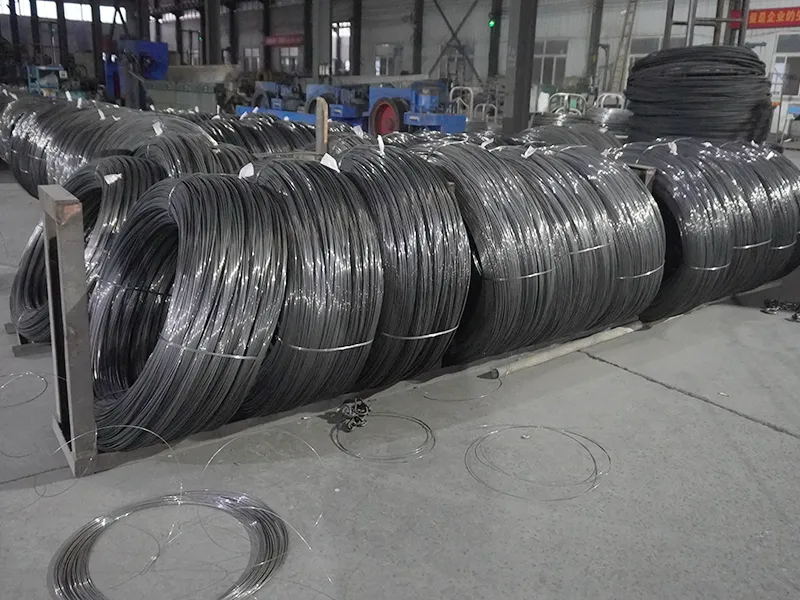
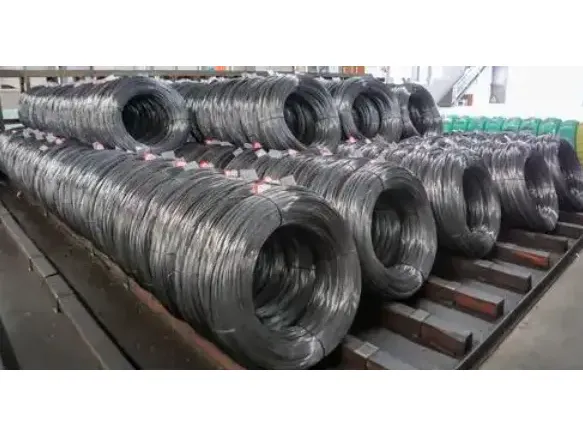
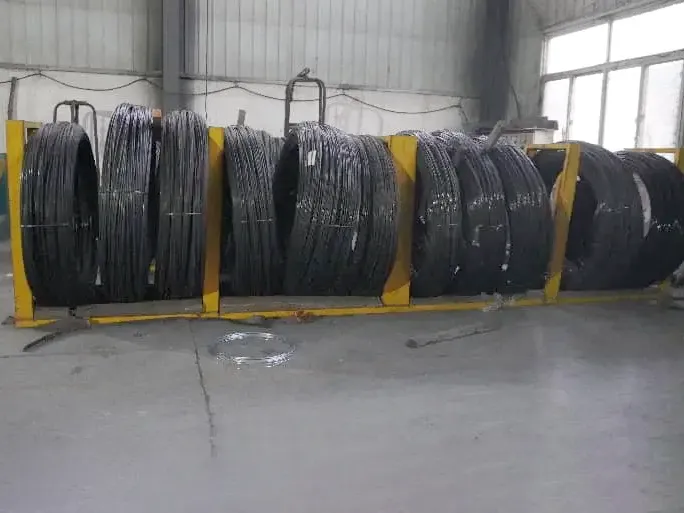
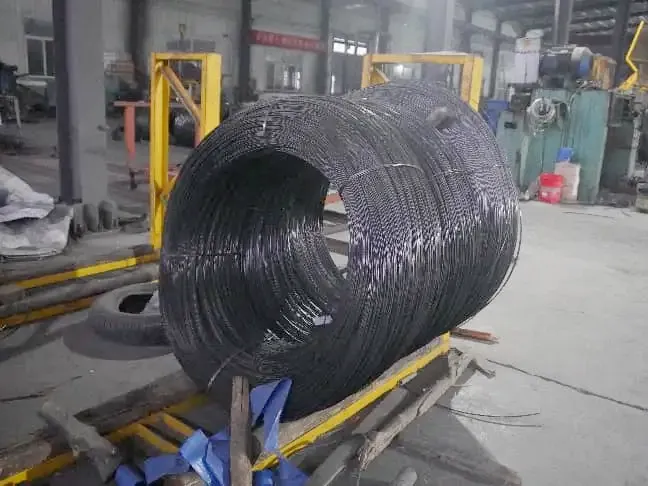
Coil configuration, packaging, and handling requirements should also be confirmed to reduce tangling, surface damage, and unnecessary delays during manufacturing.
The value of Cold Drawn Carbon Spring Steel Wire comes from the interaction between its material composition, processing history, and final condition. When correctly specified, it offers several practical benefits for spring manufacturers.
Controlled drawing helps achieve the required wire diameter and dimensional consistency. Uniform dimensions make it easier to maintain stable settings on automatic coiling and forming equipment, particularly during high-volume production.
Carbon spring steel can provide the strength needed to resist permanent deformation while allowing a finished component to perform its intended spring function. The actual elastic response depends on the selected grade, processing condition, spring geometry, and applied stress.
Suitable wire can be formed into compression springs, extension springs, torsion springs, clips, clamps, and other elastic components. Formability must be evaluated against wire diameter, bend radius, forming speed, and the mechanical condition of the material.
Many spring applications involve repeated compression, extension, or bending. Appropriate material selection, controlled processing, suitable spring design, and effective heat treatment can help improve fatigue performance. Actual service life should be verified under representative loading conditions.
Depending on the application, the wire may be supplied with a bright, phosphated, or galvanized surface. These options help manufacturers address different processing and environmental requirements, although the most suitable finish depends on the specific application.
When evaluating spring steel wire, buyers should examine measurable properties rather than relying solely on general product descriptions. Tensile strength, elongation, diameter tolerance, surface condition, and heat-treatment requirements all influence whether the wire is suitable for a particular application.
The following table summarizes the typical information provided for Luguan's cold drawn carbon spring steel wire. These values are reference ranges, not a substitute for the confirmed specification of an individual order.
| Parameter | Typical Value or Description | Why It Matters |
|---|---|---|
| Material | Carbon spring steel | Provides the basic mechanical characteristics required for spring applications. |
| Manufacturing Process | Cold drawing | Reduces wire diameter and contributes to strength and dimensional consistency. |
| Tensile Strength | Approximately 1,200–1,600 MPa | Indicates resistance to tensile loading; the actual value depends on the specification. |
| Elongation | Approximately 10%–15% | Helps indicate deformation capacity under tensile testing. |
| Surface Finish | Bright, phosphated, or galvanized, subject to requirements | Affects handling, subsequent processing, and corrosion protection. |
| Heat Treatment | According to the required specification | Can influence strength, toughness, and performance under repeated loading. |
| Inspection | Dimensional, mechanical, and surface checks | Helps verify conformity with the agreed product requirements. |
Important specification note: The tensile strength and elongation ranges above are indicative values listed for the product range. They should not be assumed to apply to every diameter, steel grade, or delivery condition. Confirm the applicable test method, acceptance limits, and material documentation before placing a production order.
For engineering applications, purchasers should also consider the applicable standard. Depending on the product and intended use, relevant standards may include ISO 8458 or other recognized spring-wire specifications. Standard selection and equivalency should be verified against the actual grade and supply condition.
Cold drawn carbon spring steel wire is used across industries that depend on controlled elastic deformation and repeatable mechanical performance. The appropriate wire specification varies according to the loads, operating environment, production method, and expected service life of the finished component.
Automotive manufacturers use spring steel wire for various mechanical components, including suitable return springs, tension springs, clips, and other elastic parts. Applications involving high cyclic stress require careful consideration of fatigue performance, heat treatment, and surface quality.
Appliances may contain springs that support movement, maintain tension, return mechanisms to their original positions, or hold components in place. Consistent wire dimensions can help improve assembly accuracy and reduce variation in finished products.
Industrial equipment uses springs and elastic wire components in fixtures, operating mechanisms, clamps, and mechanical assemblies. The required strength and forming characteristics depend on the loads and operating frequency involved.
Bicycles and other consumer products may use spring wire in selected mechanical mechanisms and hardware components. Material selection should account for repeated movement, vibration, moisture exposure, and the dimensional requirements of the assembly.
| Industry | Representative Components | Key Selection Consideration |
|---|---|---|
| Automotive | Return springs, clips, tension components | Fatigue performance and consistent mechanical properties. |
| Household Appliances | Operating springs, retaining components | Dimensional accuracy and reliable spring action. |
| Industrial Machinery | Clamps, mechanical springs, elastic fittings | Load requirements and forming characteristics. |
| Bicycles | Selected spring mechanisms and hardware | Durability, vibration resistance, and environmental exposure. |
| General Hardware | Spring clips and formed wire parts | Manufacturing efficiency and suitability for the intended use. |
Surface condition and heat treatment should be selected together with the base material. They influence processing behavior, corrosion resistance, and the performance of the finished component.
A bright finish may be appropriate when a clean appearance and suitable surface condition are required for downstream processing. Surface cleanliness and roughness requirements should be stated clearly when they are critical to the application.
Phosphating can provide a surface layer that supports certain drawing, forming, or coating operations. Its suitability depends on the specific process, lubricant system, and subsequent treatment requirements.
Galvanizing provides a zinc coating intended to improve corrosion protection. The coating specification, adhesion, thickness, and compatibility with subsequent forming operations should be evaluated for the intended working environment.
Heat treatment may be used to establish or adjust the mechanical properties needed for spring production. Depending on the grade and process, patenting or quenching and tempering may form part of the manufacturing route. Stress relief after spring forming may also be required to support dimensional stability and performance.
Buyers should avoid assuming that all cold drawn wire is supplied in the same metallurgical condition. The appropriate route must be confirmed with the supplier according to the drawing, operating stress, and applicable material standard.
Reliable spring manufacturing starts with incoming material that meets the agreed technical requirements. Small variations in wire diameter, surface defects, or tensile properties can influence forming stability and finished spring dimensions.
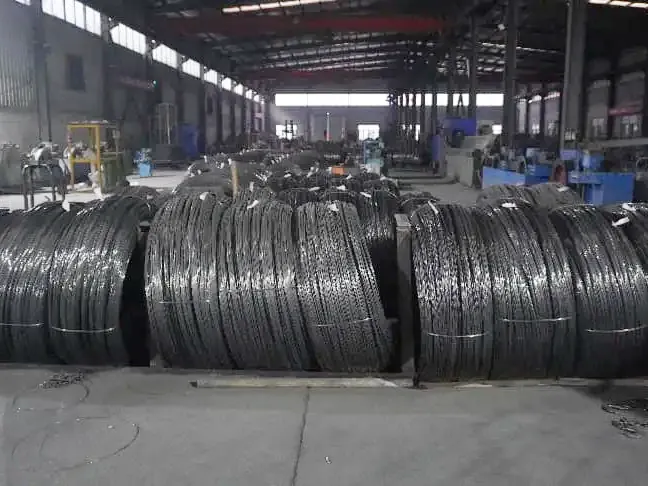
Luguan's product information identifies several types of inspection equipment used in steel wire production. These include equipment for mechanical testing, dimensional measurement, surface defect detection, hardness evaluation, metallographic examination, and fatigue testing.
Depending on the purchase specification, a quality evaluation may include the following checks:
For repeat orders, buyers should define inspection frequency, sampling procedures, test methods, traceability requirements, and documentation before production begins. A clearly documented acceptance standard helps both parties evaluate consistency objectively.
Selecting a suitable product requires more than identifying the desired wire diameter. The material must also match the finished spring's loading conditions, forming process, environmental exposure, and quality requirements.
Specify the nominal diameter and acceptable dimensional variation. This is particularly important when the wire will run through automated feeding, coiling, or forming equipment.
Provide the required tensile strength, elongation, and any additional mechanical criteria. If fatigue life, permanent set, or load-deflection behavior is critical, communicate the corresponding test conditions rather than relying on tensile strength alone.
State the required grade and applicable standard wherever possible. If an equivalent grade is proposed, request technical confirmation that the chemical composition, mechanical properties, and delivery condition satisfy the application.
Determine whether a bright, phosphated, or galvanized finish is required and whether additional heat treatment will be part of the manufacturing process. Consider the compatibility of the surface with lubrication, forming, coating, and service conditions.
Request relevant inspection records and material documentation according to the purchase agreement. For demanding applications, clarify traceability, sampling requirements, and the procedure for addressing nonconforming material.
Before requesting a quotation, prepare the following information:
Providing these details helps the supplier evaluate the request more accurately and reduces the risk of specification changes during production. Buyers can also compare related products, such as Luguan steel wire materials, when assessing different material options for their manufacturing processes.
It is used to manufacture compression springs, extension springs, torsion springs, clips, clamps, and other elastic components. Common application sectors include automotive manufacturing, household appliances, bicycles, industrial machinery, and general hardware. The appropriate grade depends on the specific load and service requirements.
The product information lists a typical tensile strength range of approximately 1,200–1,600 MPa and elongation of approximately 10%–15%. Actual values vary with the steel grade, diameter, and processing condition. Confirm the final requirements and test methods for each order.
Cold drawing reduces the wire diameter through dies and contributes to work hardening and dimensional consistency. The resulting properties depend on the drawing reduction, material composition, and subsequent processing. Appropriate process control is necessary to balance strength and formability.
Bright, phosphated, and galvanized finishes may be considered according to the manufacturing process and operating environment. Bright wire may suit certain forming requirements, phosphated wire may support selected processing operations, and galvanized wire may offer additional corrosion protection. The final choice should be confirmed against the application specification.
Not every product follows the same treatment route. Depending on the grade and required properties, additional heat treatment may be necessary during production or after spring forming. Discuss the complete process with the supplier to ensure compatibility with the finished component's mechanical requirements.
Buyers can specify dimensional inspection, tensile testing, elongation testing, surface examination, and other relevant checks. Hardness, metallographic, or fatigue testing may also be required for particular applications. Inspection methods and acceptance limits should be agreed before production.
Include the required diameter, steel grade, material standard, mechanical properties, surface finish, heat-treatment condition, order quantity, packaging requirements, and intended application. Drawings or samples can provide additional information when the wire will be used for a specialized component.
Cold Drawn Carbon Spring Steel Wire is a practical material choice for spring manufacturers that need controlled dimensions, suitable strength, and dependable elastic performance. However, the results achieved in production depend on matching the steel grade, mechanical properties, surface finish, and processing condition to the actual application.
By evaluating technical specifications, defining inspection requirements, and confirming the intended working conditions, buyers can make more informed sourcing decisions and improve consistency in downstream spring manufacturing. Supplier communication is especially important when a component operates under repeated stress or requires a tightly controlled production process.
Luguan Xingsheng supplies carbon spring steel wire for a range of industrial manufacturing applications and supports specification discussions based on customer requirements. If you are sourcing Cold Drawn Carbon Spring Steel Wire, preparing a new spring production project, or looking for a suitable material specification, review our product information and contact us to discuss your required grade, wire diameter, mechanical properties, surface finish, and order quantity. Our team can help you evaluate suitable options and request a quotation for your project.