High Carbon Screen Wire: Specifications, Applications, and Selection Guide
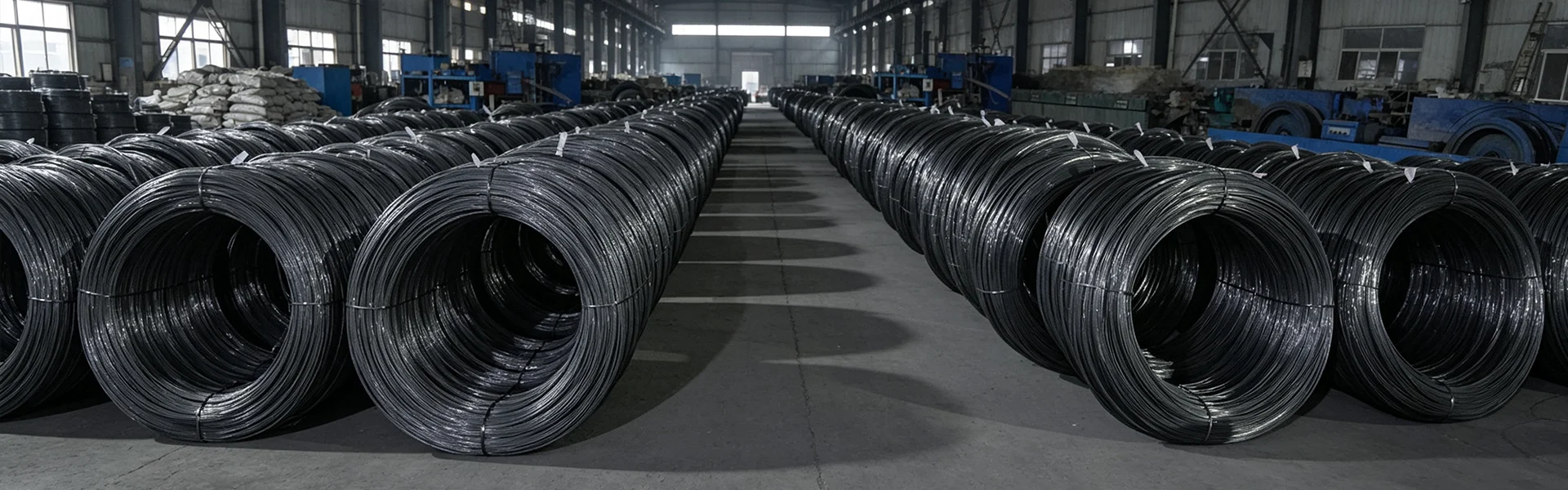
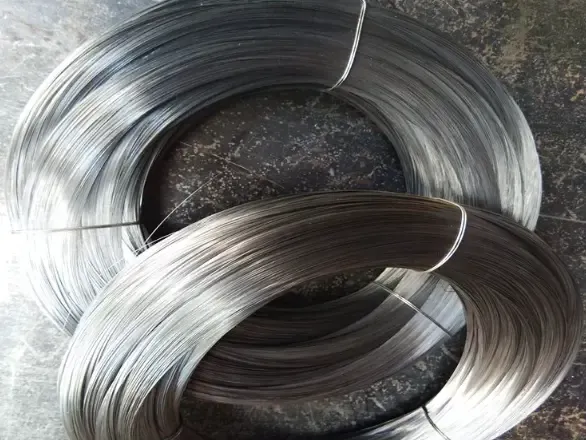
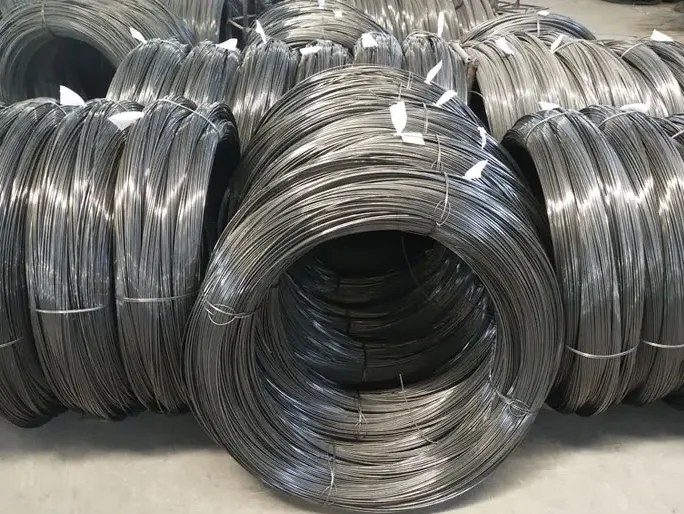
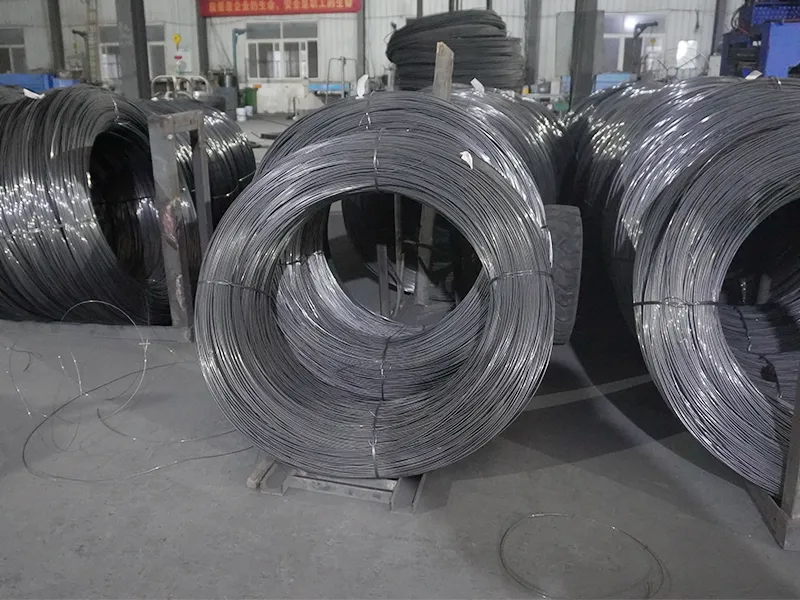
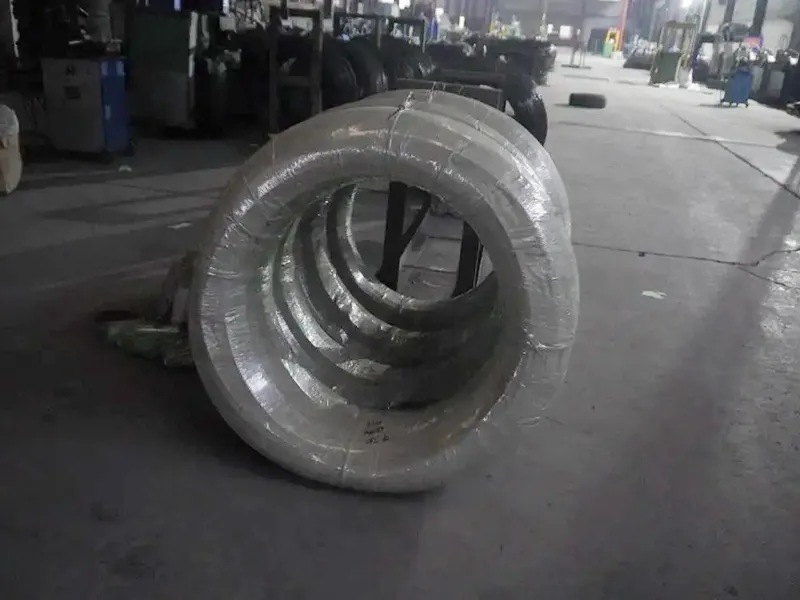
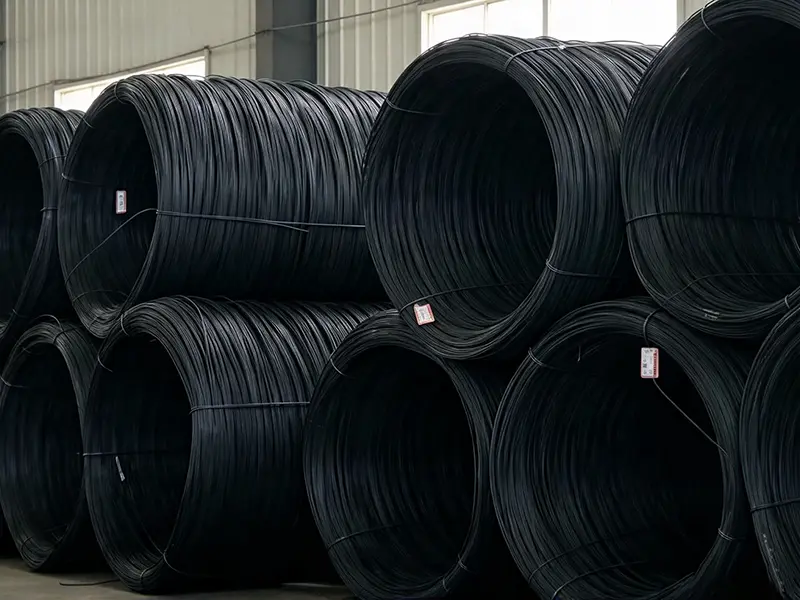
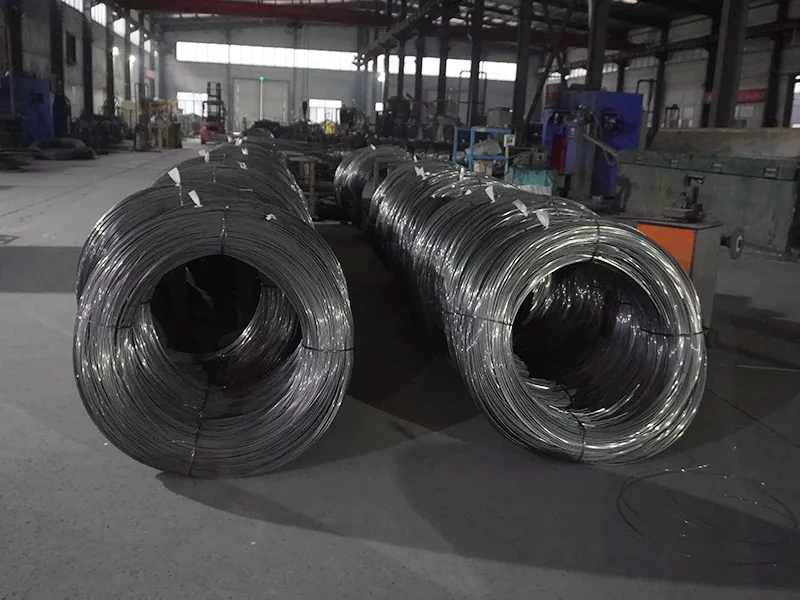
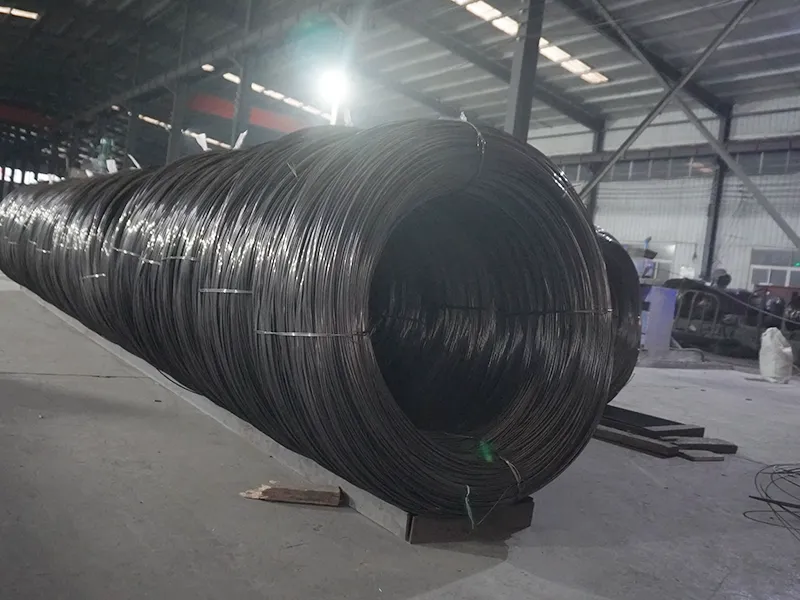
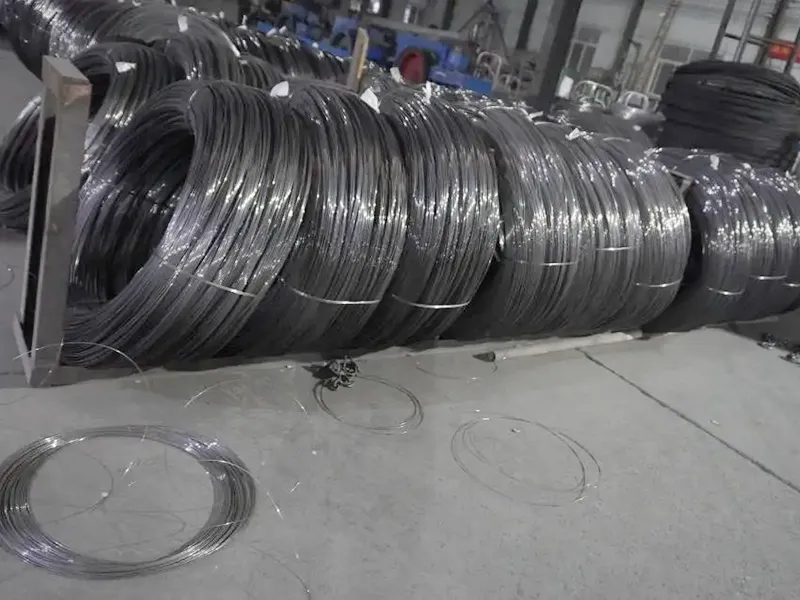
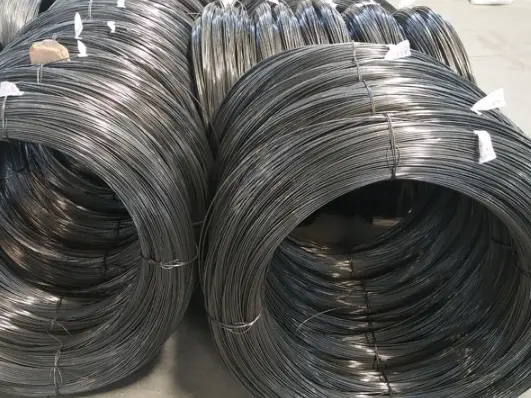
High carbon screen wire is a specialized woven wire mesh manufactured from high carbon steel that has been drawn to precise diameters and woven into square or rectangular openings. It is widely used in aggregate screening, mining, coal processing, sand and gravel separation, construction recycling, and industrial filtration. The material delivers an optimal balance of tensile strength, abrasion resistance, and cost efficiency, making it a preferred choice for operations that demand high throughput and extended service life under abrasive conditions.
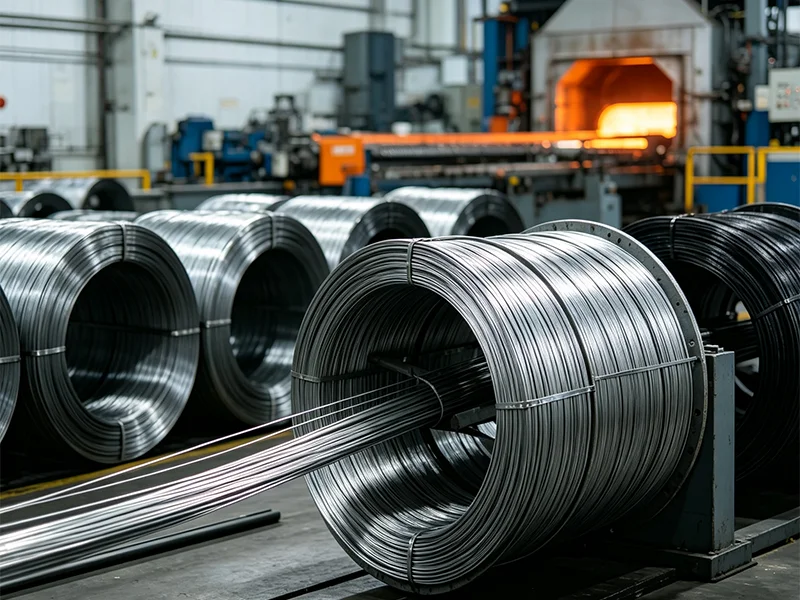
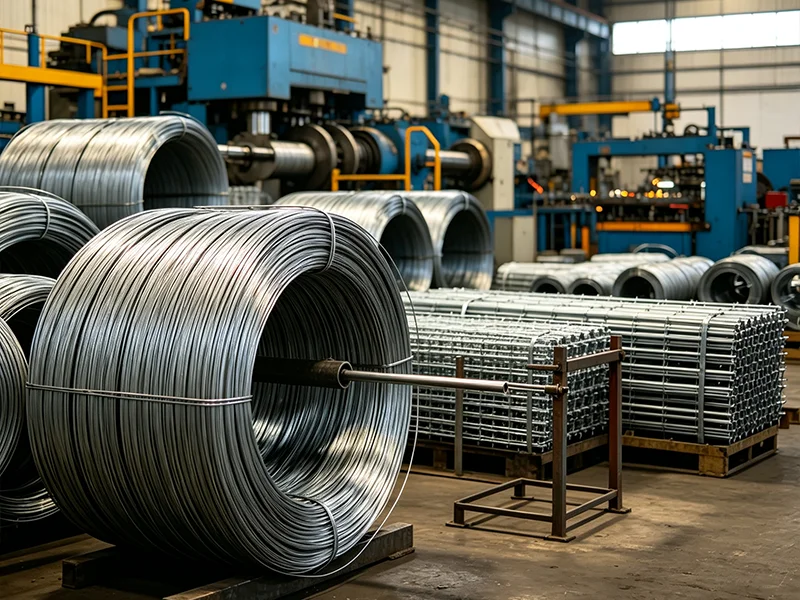
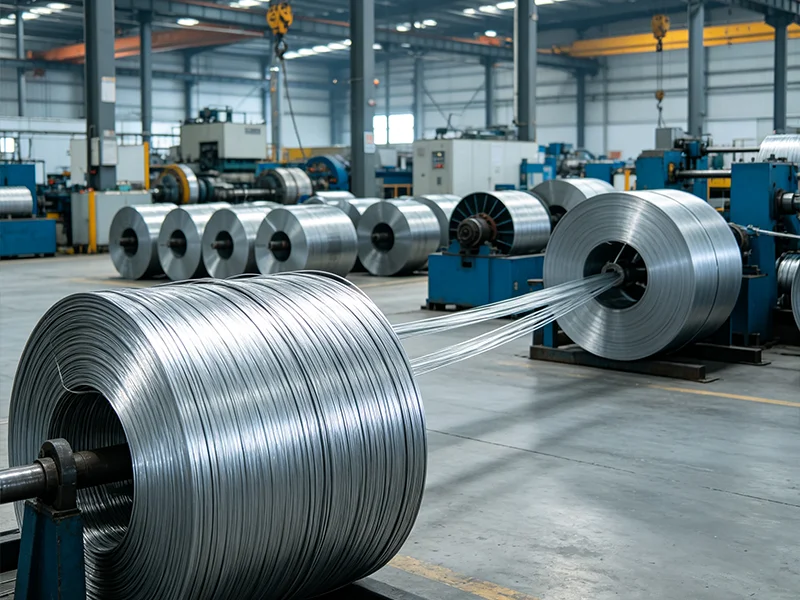
In demanding screening environments, wire selection directly impacts production capacity, downtime, and overall operating cost. At Luguan, we manufacture high carbon screen wires in a wide range of wire diameters, opening sizes, and weave patterns, with strict tolerance control and consistent mechanical properties across every batch.
Weave Patterns and Their Advantages
-
Plain weave: The simplest and most common weave pattern. Each warp wire passes alternately over and under weft wires. It provides good screening accuracy and is suitable for fine to medium openings.
-
Intermediate crimp: Warp and weft wires are crimped at regular intervals to lock the wires in place. This pattern improves rigidity and reduces wire movement under heavy loads.
-
Lock crimp: Deep crimps at the intersections create a very stable mesh structure. It is ideal for coarse screening with larger wire diameters and openings, offering excellent resistance to abrasion and impact.
-
Double crimp: Both warp and weft wires are crimped before weaving, producing a smooth surface and uniform openings. This pattern is widely used in mobile screening plants and high-frequency screens.
-
Flat top weave: The top surface of the mesh is flat, with all crimps located on the underside. It reduces wear on the screen surface and improves material flow across the deck.
Selecting the correct weave pattern depends on the particle size distribution, feed rate, and screen deck angle. For primary scalping applications, lock crimp or double crimp with heavy wire diameters is recommended. For final sizing and fine screening, plain weave with smaller wire diameters and smaller openings delivers higher screening efficiency.
Key Advantages
-
High abrasion resistance: The elevated carbon and manganese content creates a hard, wear-resistant surface that withstands constant contact with sharp, abrasive aggregates.
-
Excellent tensile strength: With tensile strength up to 1,800 MPa, the wire maintains its shape and opening accuracy under heavy bed depths and high vibration frequencies.
-
Consistent opening uniformity: Precision weaving and controlled wire diameter tolerances ensure uniform screen openings, leading to predictable product grading and reduced oversize contamination.
-
Reduced downtime: Longer service life compared to mild steel screen wire translates into fewer screen changes and lower maintenance labor costs.
-
Cost efficiency: High carbon steel is more economical than stainless steel or alloy steel, making it the preferred choice for high-volume screening where corrosion is not the primary concern.
-
Versatility: Available in a wide range of wire diameters, opening sizes, and weave patterns, high carbon screen wire can be adapted to almost any vibrating screen, trommel, or static grizzly.
-
Easy installation: The wire mesh can be supplied cut to size with various edge treatments, making it simple to install on crowned or flat decks.
How to Select the Right Wire
Choosing the correct specification of high carbon screen wires requires careful evaluation of the following factors:
-
Material characteristics: Particle size, shape, hardness, moisture content, and abrasiveness of the feed material.
-
Screen deck configuration: Screen width, length, number of decks, and vibration type influence the required wire diameter and weave pattern.
-
Target product size: The desired cut size determines the opening size and allows calculation of the appropriate wire diameter based on the percentage of open area required.
-
Capacity requirements: Higher feed rates require larger wire diameters and stronger weave patterns to withstand the additional load and impact.
-
Wear life expectation: In extremely abrasive applications, a heavier wire diameter or a lock crimp weave can extend screen life and reduce replacement frequency.
-
Corrosion exposure: If the screen operates in a wet, humid, or mildly corrosive environment, a galvanized surface finish may be recommended to reduce rust formation.
Luguan technical engineers can assist with screen wire selection by reviewing your screening parameters and recommending a specification that optimizes wear life, screening efficiency, and total operating cost.
Frequently Asked Questions
What is high carbon screen wire made of?
High carbon screen wire is made from high carbon steel wire that contains between 0.50% and 0.85% carbon, along with controlled amounts of manganese, silicon, and trace elements. The steel is drawn through progressively smaller dies to achieve the required wire diameter and then woven into a mesh with precise square or rectangular openings. The high carbon content gives the wire its characteristic hardness and tensile strength, which are essential for resisting wear in abrasive screening applications.
How do I choose the correct wire diameter and opening size?
Wire diameter and opening size should be selected based on the desired cut size, feed material characteristics, and screen deck load. As a general rule, the wire diameter should be approximately 1/4 to 1/3 of the opening size for square mesh screens. For example, a 10 mm opening typically works well with a wire diameter between 2.5 mm and 3.2 mm. If the feed contains large, sharp, or heavy particles, select a thicker wire diameter to resist impact and abrasion. Conversely, for fine screening and high open area, a thinner wire allows more material to pass through and improves screening efficiency.
How long does high carbon screen wire last?
Service life depends on several factors, including the abrasiveness of the material being screened, feed rate, screen motion, wire diameter, weave pattern, and operating hours. In moderately abrasive aggregate screening, high carbon screen wire can last from 400 to 1,200 hours before replacement. In highly abrasive mining applications, the service life may be shorter, while in light-duty industrial screening it can exceed 2,000 hours. Regular inspection and proper tensioning help maximize wear life by preventing premature fatigue and localized wear.
Can high carbon screen wires be used in wet screening applications?
Yes, high carbon screen wire can be used in wet screening applications, but the service life may be reduced due to corrosion and erosion. In wet conditions, the combination of abrasive particles and moisture can accelerate both mechanical wear and rust formation. To improve performance in wet screening, consider using galvanized high carbon wire or applying a protective coating. If the water contains salts or acidic components, stainless steel or polyurethane screen media may be a more suitable alternative.
What are the standard roll sizes and edge types available?
Luguan supplies carbon screen wire in standard roll widths from 0.50 m to 3.00 m and roll lengths from 10 m to 100 m, depending on wire diameter and mesh size. Common edge types include raw cut edge, folded edge, welded edge, and hook edge. Folded and welded edges provide additional rigidity and prevent wire unravelling during handling and installation. Hook edges are used for tensioned screen decks, while flat panels with folded edges are suitable for modular screen systems.