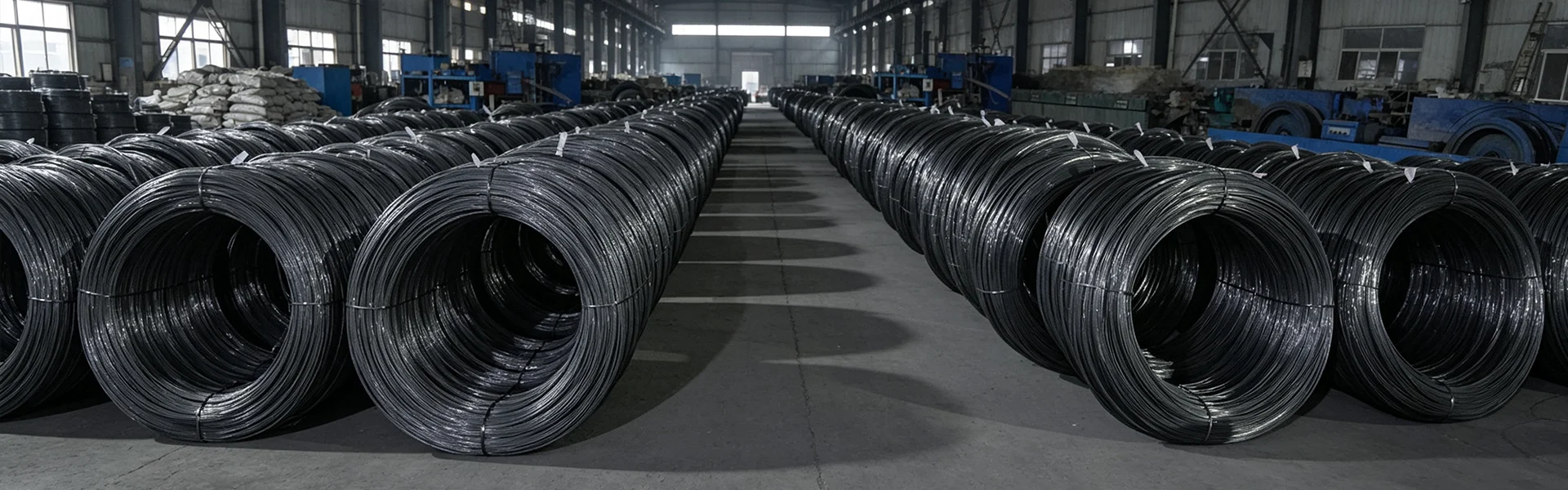
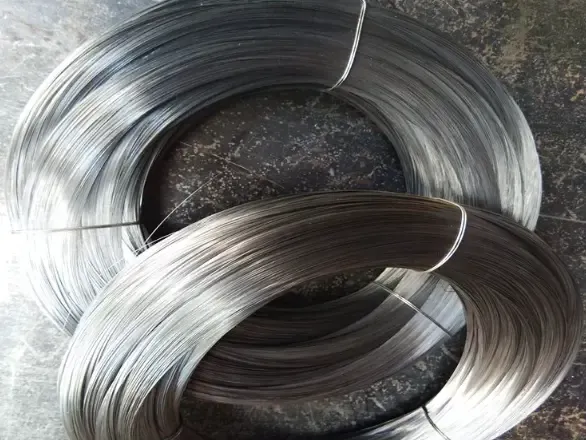
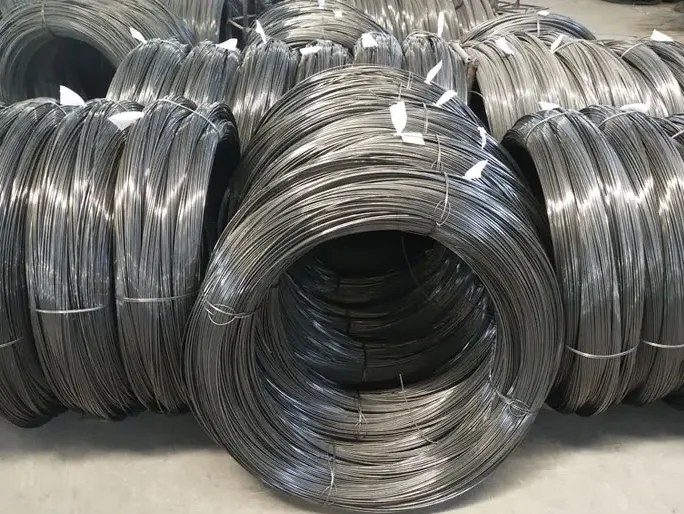
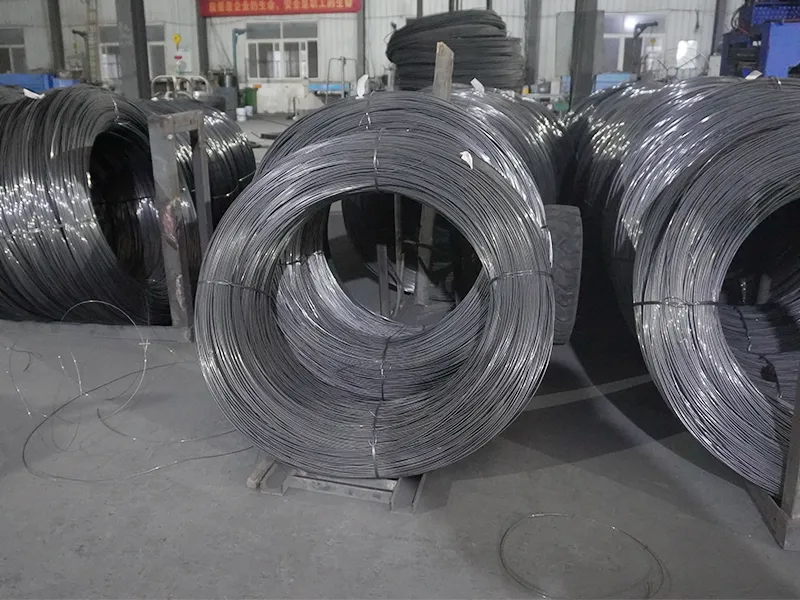
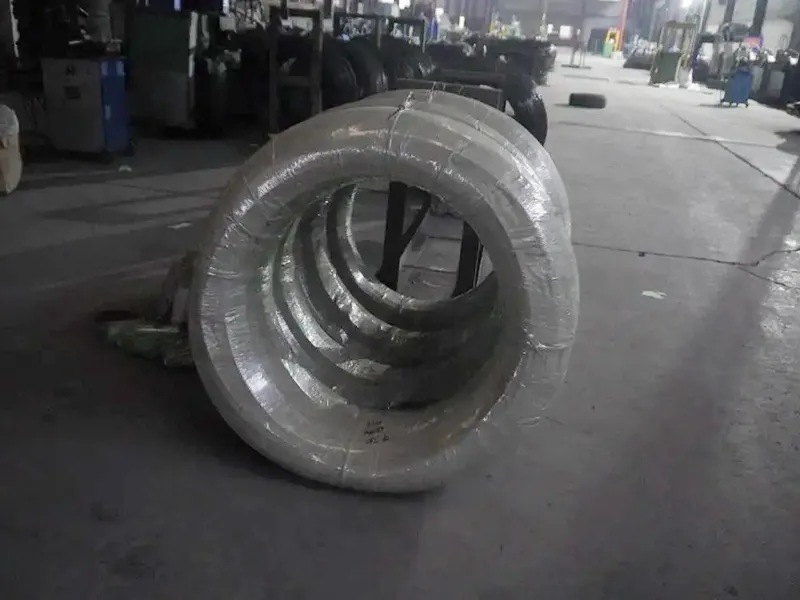
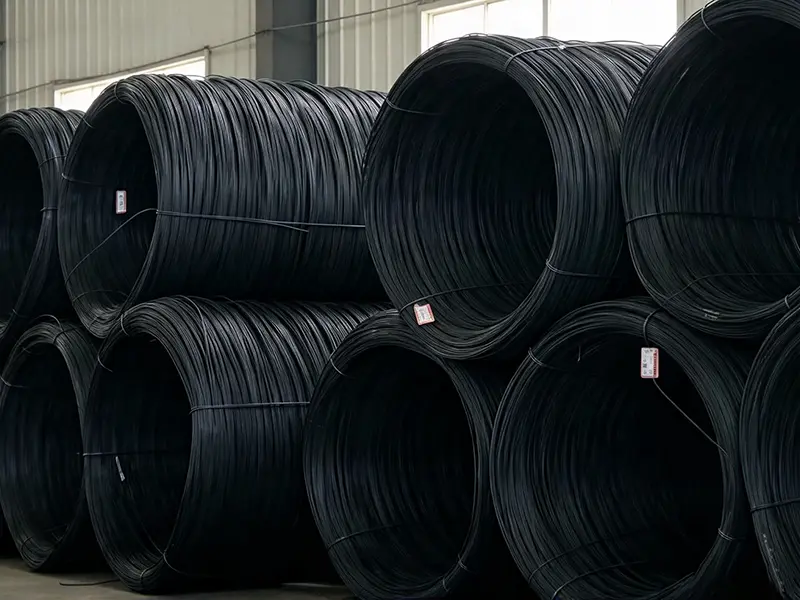
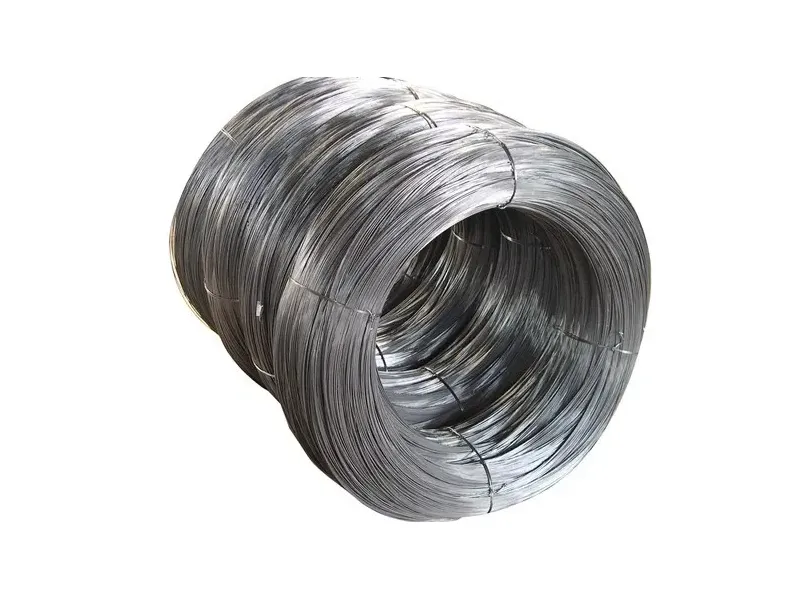
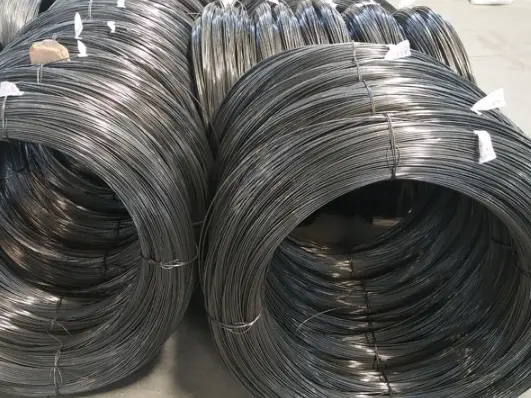
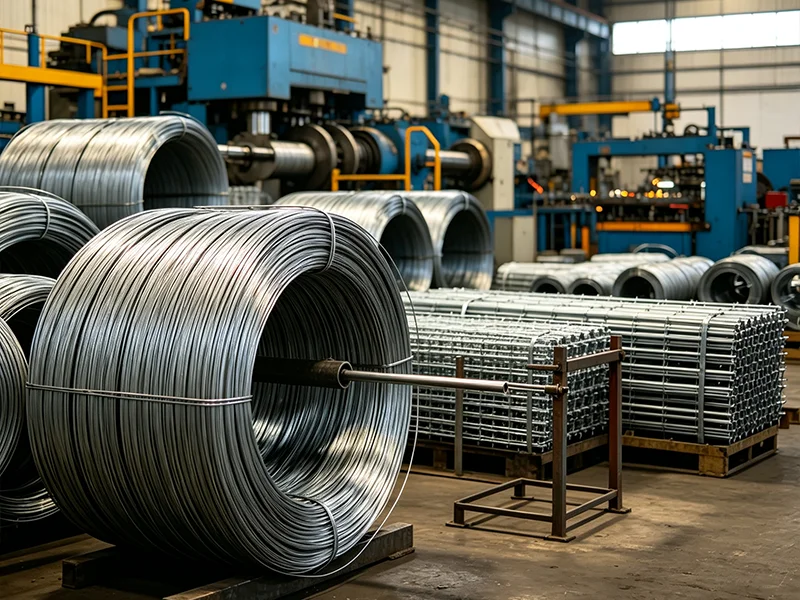
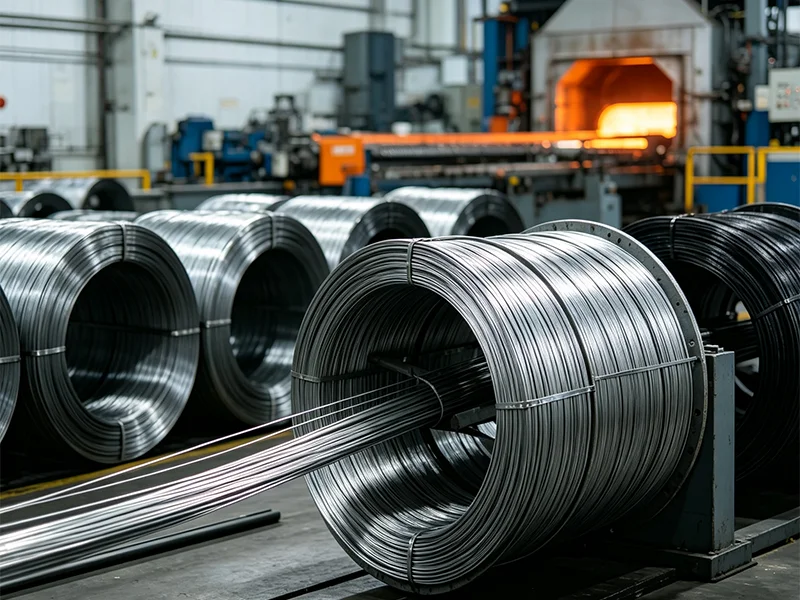
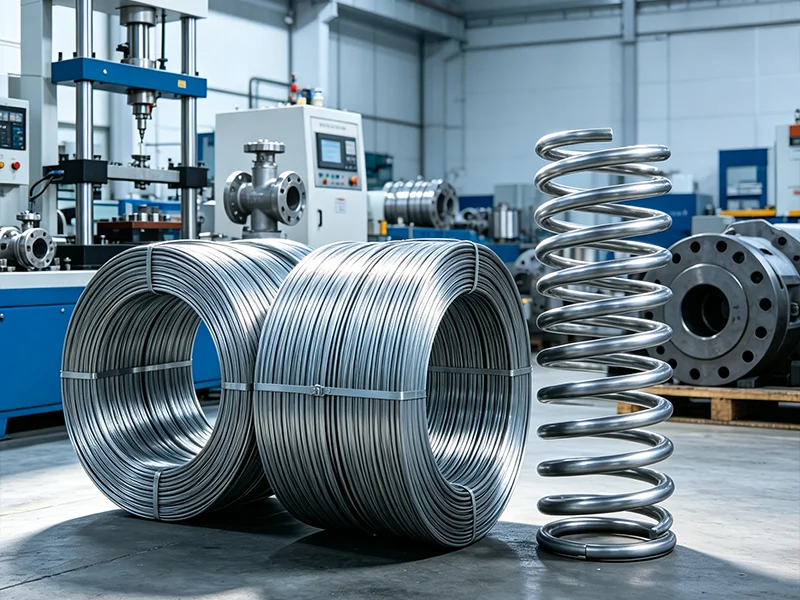
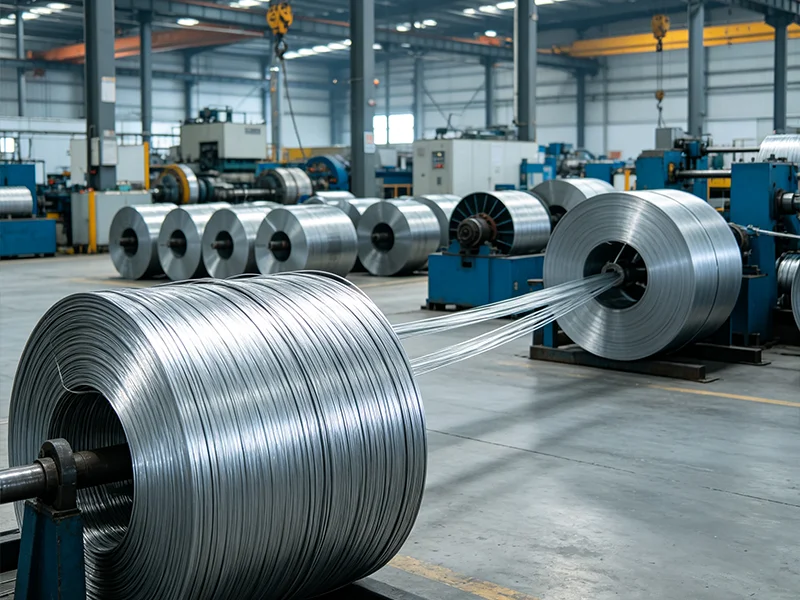
Oil Quenched and Tempered Spring Steel Wire is a high-performance steel wire processed through controlled heating, rapid oil quenching, and precise tempering. This treatment creates a uniform martensitic microstructure that delivers excellent tensile strength, fatigue resistance, and spring performance under repeated load. It is widely used in automotive suspension springs, valve springs, clutch springs, and heavy-duty industrial springs where long service life and dimensional stability are mandatory. Luguan produces this wire with tightly controlled chemical composition, precise diameter tolerance, and consistent mechanical properties to meet demanding manufacturing environments.
Manufacturing Process
The production process at Luguan follows strict steps to ensure repeatability and consistency. The main stages include:
-
Raw material selection: High-purity steel billets or wire rod from qualified mills. Luguan checks each heat for chemical composition, inclusion content, and surface defects before acceptance.
-
Surface preparation: Descaling and coating to remove mill scale and prepare the surface for drawing.
-
Wire drawing: Cold drawing through tungsten carbide dies to achieve precise diameter and improve surface finish.
-
Austenitizing: Continuous furnace heating to a uniform temperature between 850°C and 950°C, depending on steel grade and wire diameter.
-
Oil quenching: Rapid immersion in high-quality quenching oil. The oil bath temperature and circulation speed are controlled to achieve uniform cooling and minimize distortion.
-
Tempering: Reheating to a temperature between 350°C and 550°C in a continuous tempering furnace. The exact temperature determines the final tensile strength and ductility.
-
Straightening and cutting: The wire is straightened and cut to customer-specified coil weights or lengths.
-
Surface finishing: Optional phosphate coating, oil coating, or other surface treatments to improve coiling performance and corrosion resistance.
-
Testing and inspection: Every batch is tested for tensile strength, reduction of area, hardness, surface condition, and dimensional accuracy before release.
Detailed Product Parameters
Luguan offers a wide range of sizes, grades, and surface conditions to match different spring manufacturing requirements. The tables below summarize the standard specifications. Custom sizes and properties are available upon request.
Available Diameter Range
|
Parameter
|
Standard Range
|
Custom Range
|
|
Wire diameter
|
1.5 mm – 20.0 mm
|
0.8 mm – 25.0 mm
|
|
Diameter tolerance
|
±0.02 mm (for ≤10 mm)
|
±0.01 mm available
|
|
Diameter tolerance
|
±0.03 mm (for >10 mm)
|
±0.02 mm available
|
|
Coil weight
|
100 kg – 2000 kg
|
Custom coil weight
|
|
Coil inner diameter
|
400 mm – 1200 mm
|
Custom ID available
|
Key Performance Characteristics
Luguan oil quenched and tempered spring steel wires provide several measurable performance advantages. These characteristics are verified through destructive and non-destructive testing on every production lot.
-
High fatigue life: The uniform martensitic structure and controlled inclusion content reduce fatigue crack initiation sites, extending spring life under cyclic loading.
-
Excellent coiling performance: The tempered microstructure allows tight coiling without surface cracking or excessive springback variation.
-
Consistent mechanical properties: Tight control of quenching and tempering parameters ensures minimal variation in tensile strength and hardness along the entire coil length.
-
Good relaxation resistance: The wire maintains spring force over time at elevated operating temperatures up to 180°C, depending on grade and tempering temperature.
-
High surface quality: Advanced drawing and surface inspection remove seams, laps, and decarburization to prevent premature spring failure.
-
Dimensional accuracy: Precision drawing and straightening deliver roundness and diameter tolerance suitable for high-speed automated spring coiling machines.
Applications
The combination of high strength, toughness, and fatigue resistance makes this wire suitable for a broad range of spring types and demanding environments.
-
Automotive suspension springs: Coil springs, stabilizer bars, and torsion bars for passenger cars, trucks, and commercial vehicles.
-
Engine valve springs: High-cycle valve springs requiring excellent fatigue strength and heat resistance.
-
Clutch springs: Clutch diaphragm springs and cushion springs that experience repeated high-stress loading.
-
Railway springs: Heavy-duty suspension springs for locomotives, wagons, and bogie systems.
-
Industrial machinery springs: Die springs, mold springs, and heavy compression springs used in presses, stamping tools, and construction equipment.
-
Agricultural equipment: Tine springs, plow springs, and suspension components for tractors and harvesters.
-
Power generation: Springs for turbines, valves, and safety devices in power plants.
-
Consumer products: High-performance springs for fitness equipment, garage doors, and mechanical power tools.
Why Choose Luguan as Your Supplier
Luguan has built a strong reputation in the spring steel wire industry through consistent quality, technical support, and reliable delivery. The company uses carefully selected steel billets from certified mills and maintains full traceability from raw material to finished coil. In-house drawing, heat treatment, and testing capabilities give Luguan direct control over every production step, reducing lead times and improving responsiveness to customer requirements.
Luguan also provides technical guidance on grade selection, heat treatment adjustments, and surface coating options. The sales and engineering teams work closely with spring manufacturers to solve production issues related to coiling, stress relief, shot peening, or fatigue performance. This level of support helps customers reduce scrap, improve spring performance, and bring products to market faster.
Frequently Asked Questions
What is the difference between oil quenched and tempered wire and cold drawn spring wire?
Cold drawn spring wire is hardened primarily by cold working during drawing. Oil quenched and tempered spring steel wire is hardened by heat treatment after drawing. The oil quenched and tempered process creates a more uniform microstructure with higher fatigue resistance and better performance at larger diameters. Cold drawn wire typically has higher tensile strength at small diameters but may lack the same level of toughness and thermal stability as quenched and tempered wire. For spring applications requiring long fatigue life, high load capacity, or operation at elevated temperatures, oil quenched and tempered wire is usually the better choice.
What steel grades are available?
Luguan produces oil quenched and tempered spring steel wires in several standard grades, including SAE 9254, SAE 6150, SAE 5160, DIN 55SiCr7, and DIN 50CrV4. Other grades such as SAE 9260, SUP9, SUP10, and 60Si2Mn are also available upon request. The choice of grade depends on the required tensile strength, operating temperature, corrosion resistance, and spring design. For example, chromium-vanadium grades like 50CrV4 offer better toughness and fatigue resistance at high stress levels, while silicon-chromium grades like 55SiCr7 provide excellent relaxation resistance at elevated temperatures.
How does the tempering temperature affect the final properties of the wire?
Tempering temperature directly controls the balance between strength and ductility. Lower tempering temperatures produce higher tensile strength and hardness but reduce toughness and ductility. Higher tempering temperatures lower the tensile strength but improve ductility, toughness, and resistance to impact loading. Luguan adjusts tempering temperature according to customer specifications and spring design requirements. For most automotive suspension springs, tempering temperatures between 400°C and 480°C provide an optimal combination of high fatigue strength and sufficient toughness. The exact temperature is selected based on the steel grade, wire diameter, and desired mechanical property window.
How does Luguan ensure consistent mechanical properties along the entire coil length?
Luguan uses continuous furnace lines with precise temperature control and constant line speed to ensure uniform heating, quenching, and tempering along the whole coil. Multiple temperature sensors monitor the furnace zones, and the quenching oil bath is equipped with circulation and cooling systems to maintain stable oil temperature. After heat treatment, samples are taken from both ends and the middle of each coil for tensile and hardness testing. This sampling plan verifies that mechanical properties remain within specification from start to finish, reducing the risk of property variation that could cause spring failure or inconsistent coiling behavior.
Ordering Information and Technical Support
To request a quotation or discuss your specific spring wire requirements, contact Luguan with the following information: steel grade, wire diameter, required tensile strength range, surface coating preference, coil weight, and estimated annual volume. Luguan technical engineers will recommend the most suitable grade and processing route based on your spring design and production equipment. Material test certificates, inspection reports, and sample coils are available for customer evaluation before bulk order placement.