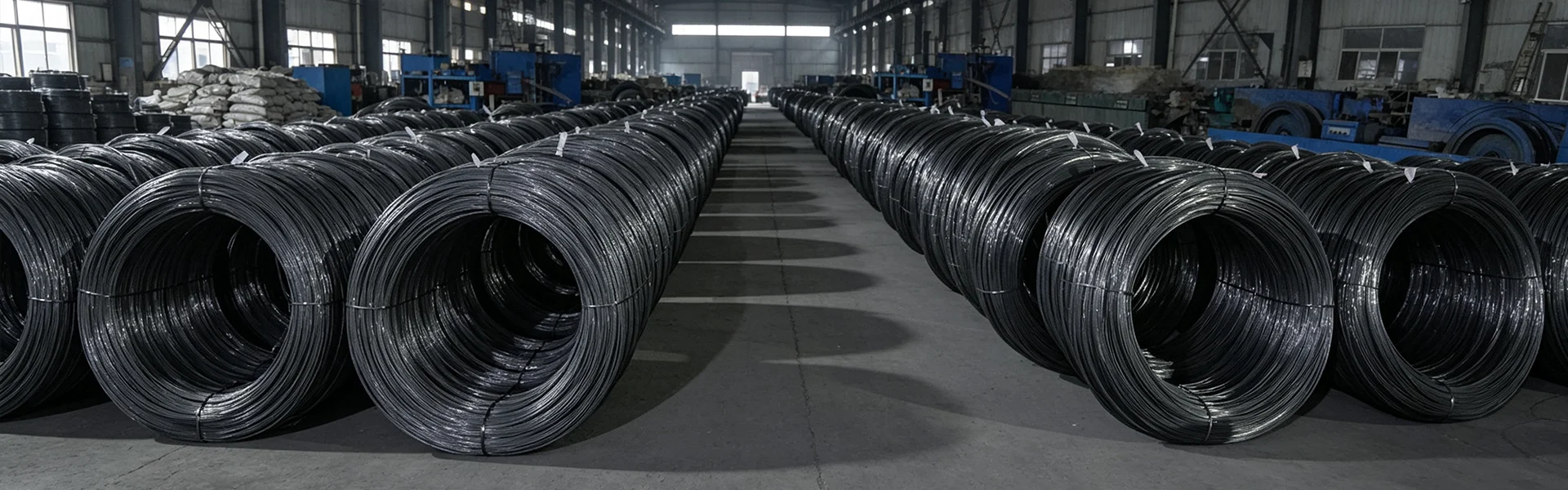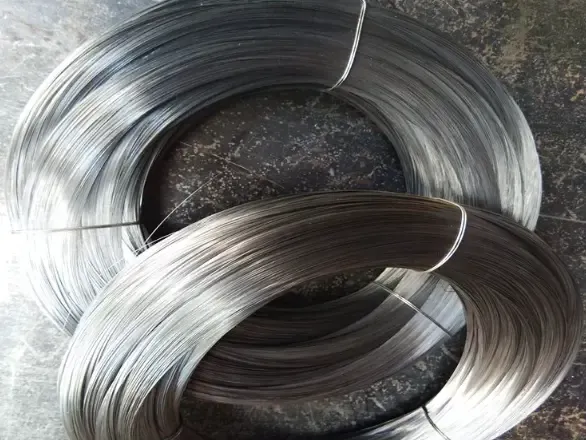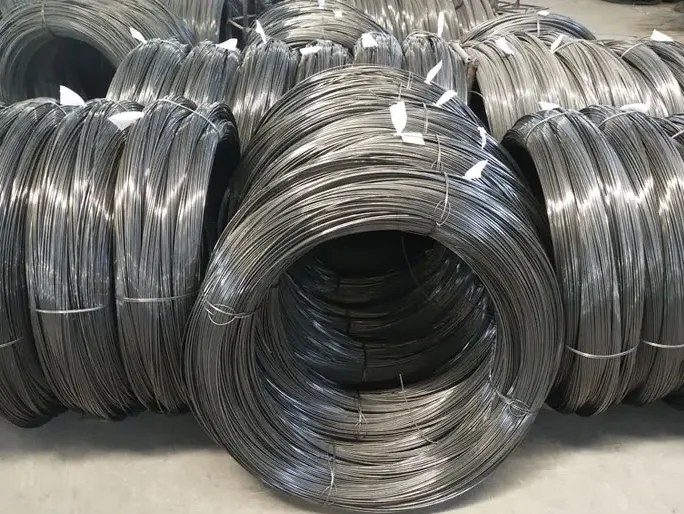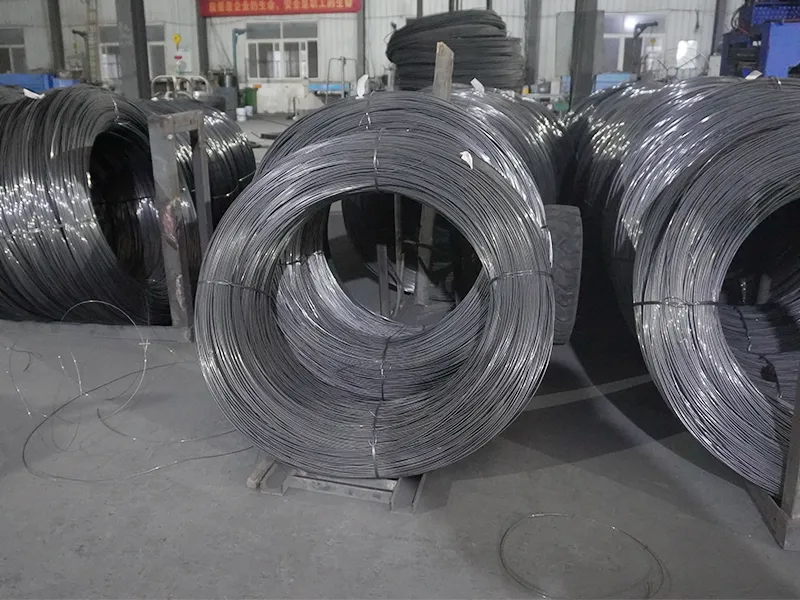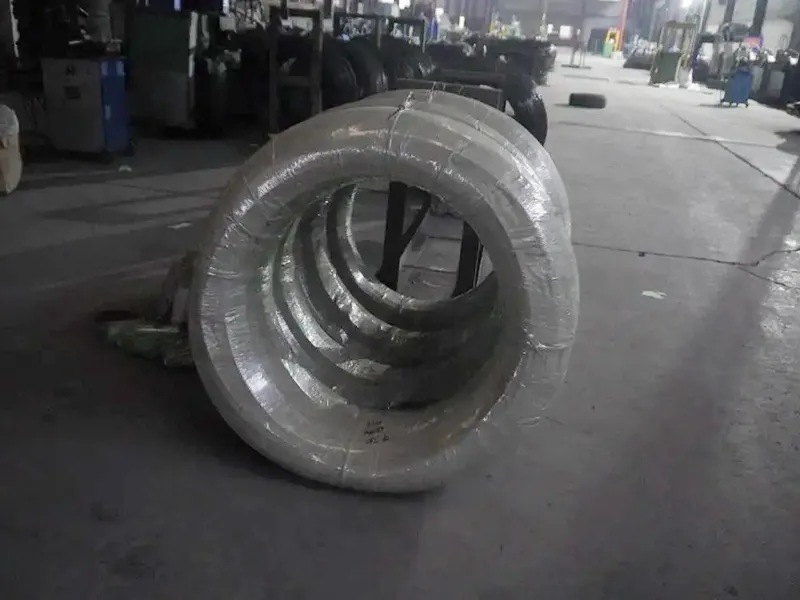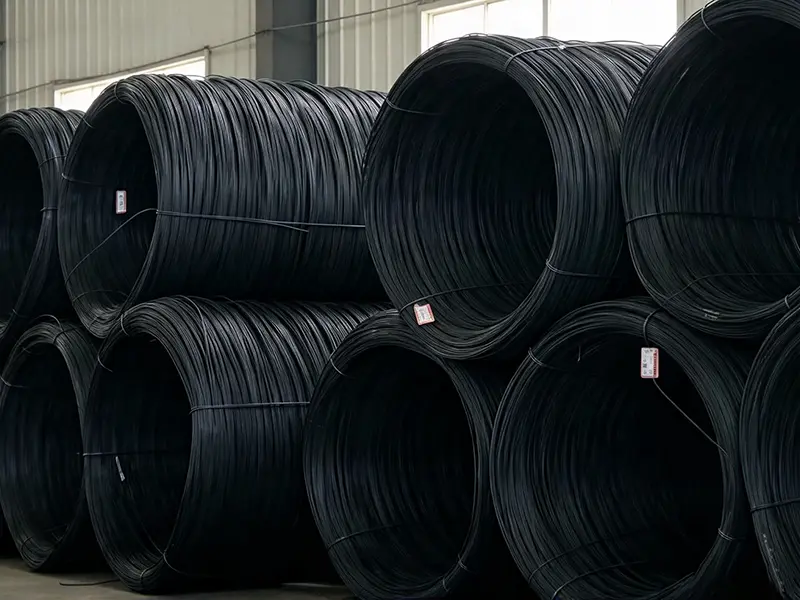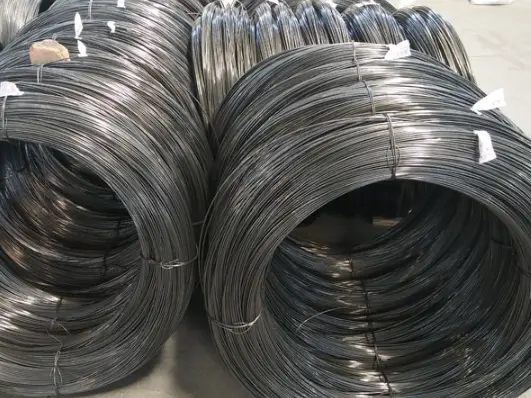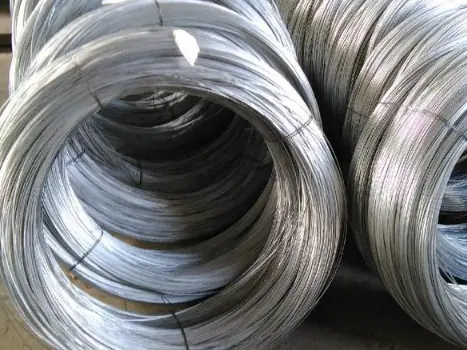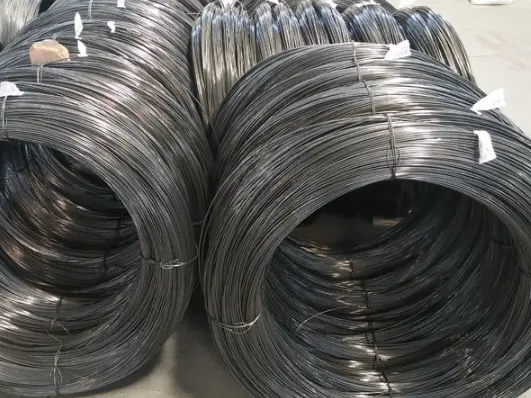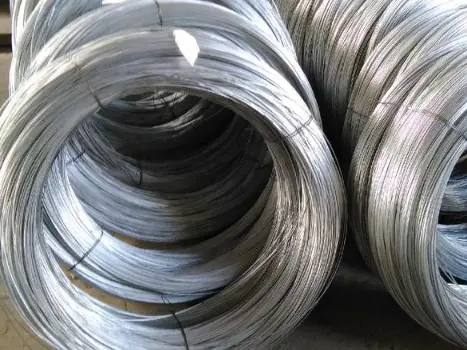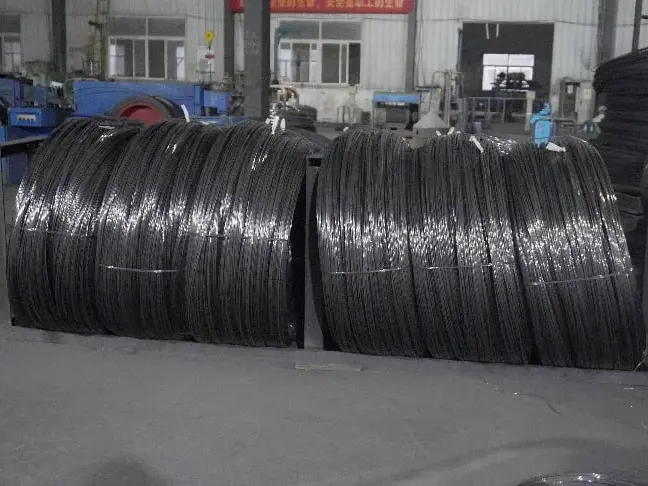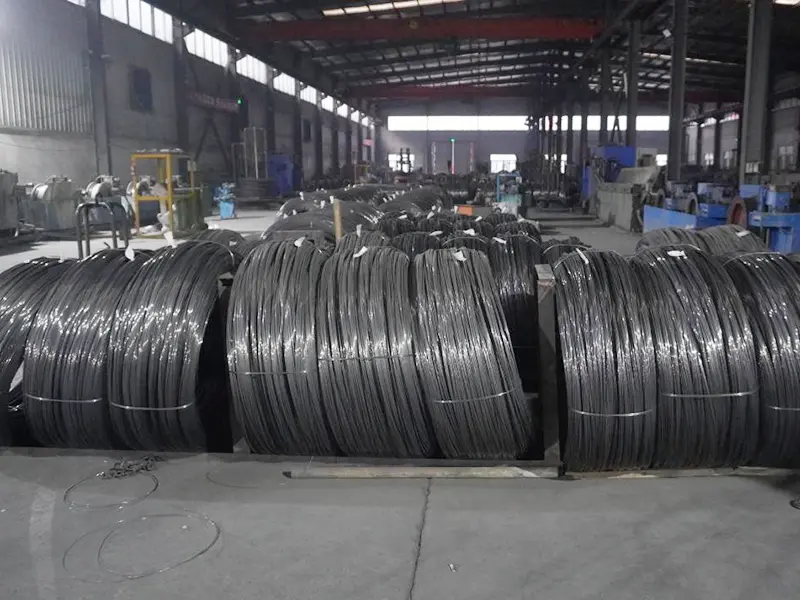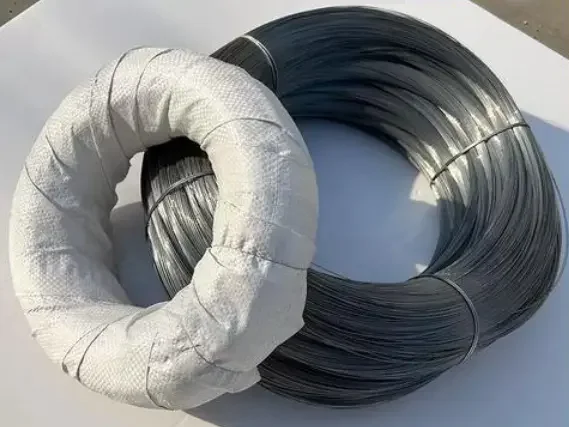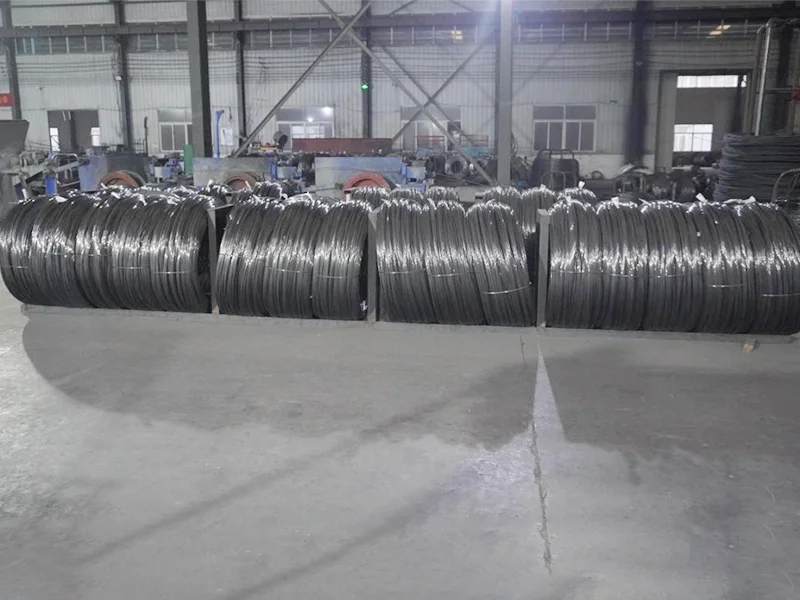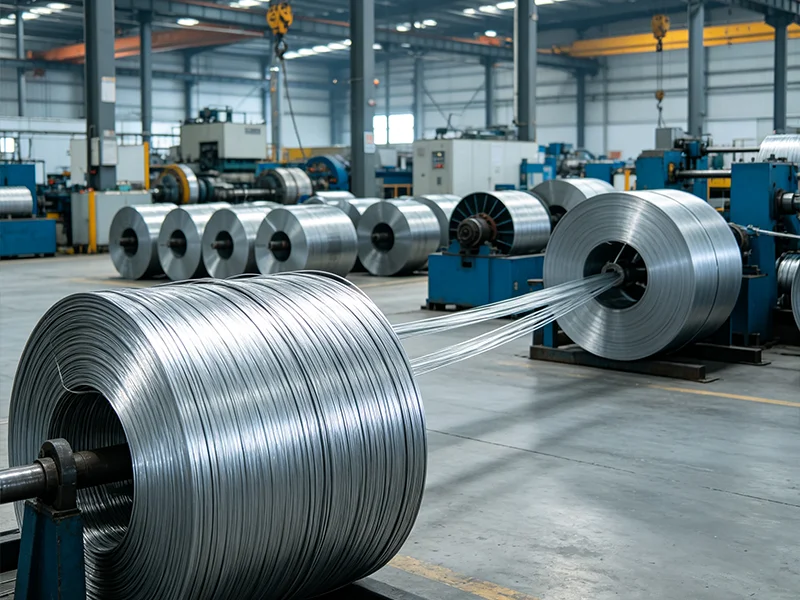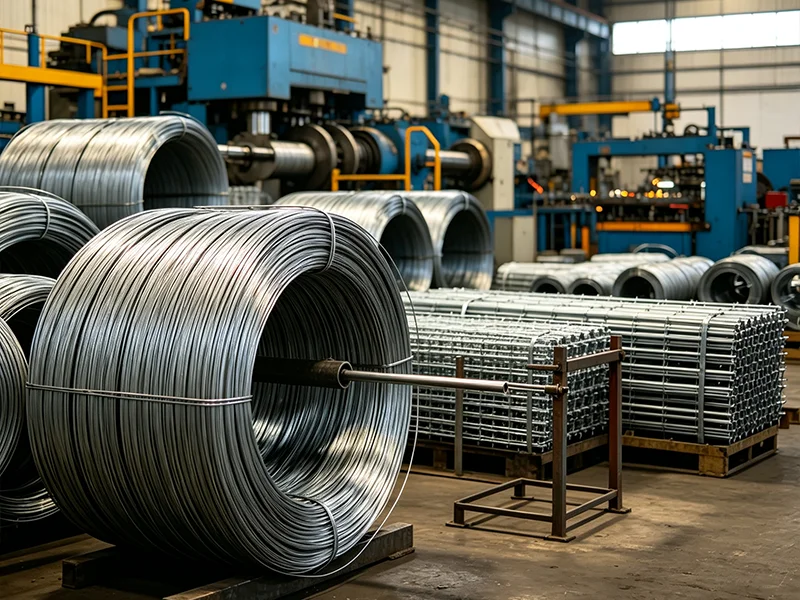
Cold drawn carbon spring steel wire is developed for spring manufacturers who require a combination of strength, elasticity and dimensional consistency. Made from carbon spring steel and finished through controlled cold drawing, the wire is available for different spring-forming requirements and working conditions. Luguan supplies cold drawn steel wire for automotive components, household appliances, hardware parts, bicycles and other applications involving elastic or repeatedly loaded components.
Spring wire has to do more than simply bend. During forming and service, it may be wound, compressed, released and loaded repeatedly. The wire therefore needs a suitable combination of strength, elasticity and formability.
Cold drawn carbon spring steel wire is produced to meet these requirements. The drawing process reduces the wire to the required size while contributing to its strength and dimensional consistency. Its carbon-based composition provides the basic mechanical characteristics needed for spring applications.
For manufacturers, the advantage is a wire that can be processed into different spring shapes while maintaining stable performance during subsequent use.
Key Advantages
Consistent Wire Size
Controlled drawing helps bring the wire to the required diameter with good dimensional consistency. This is particularly important for spring manufacturers using automatic coiling or forming equipment, where variations in incoming wire can affect finished spring dimensions.
Good Strength and Elastic Response
Typical tensile strength falls within the 1200–1600 MPa range, while elongation is generally around 10%–15%. The combination provides a useful balance for spring components that need to withstand loading while retaining their shape after deformation.
Suitable for Spring Forming
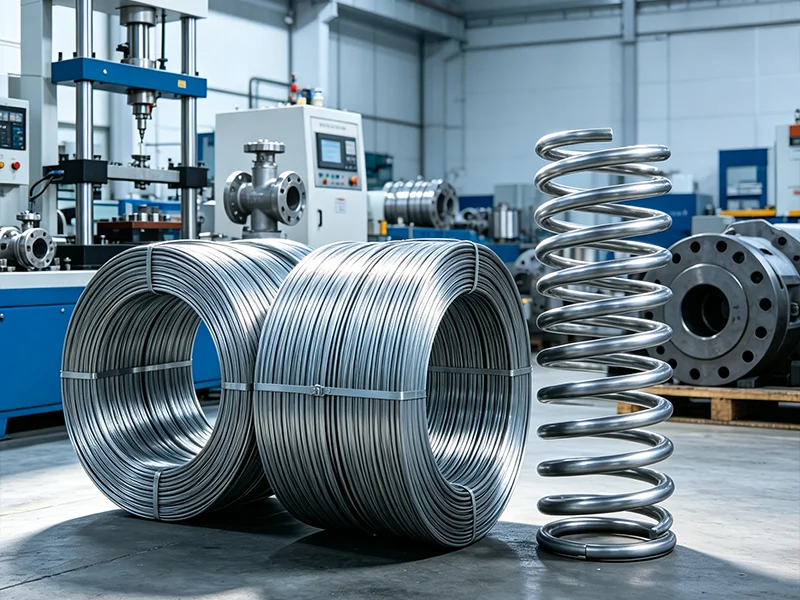
The wire has good formability for bending and coiling operations. It can be processed into coil springs, clips, clamps and other elastic components with different geometries.
Stable Springback
After forming, appropriate springback helps the finished component return toward its intended shape. This is important for parts that repeatedly open, close, compress or release during operation.
Performance Under Repeated Loading
Cold drawn carbon spring steel wire is suitable for applications where the finished spring experiences normal cyclic loading. With appropriate material selection and heat treatment, its mechanical properties can be further adjusted for more demanding service conditions.
Different Surface Conditions
Depending on the application and corrosion requirements, surface finishes such as bright, phosphated and galvanized can be considered. The appropriate surface should be selected according to the working environment and subsequent processing requirements.
Mechanical Properties
The mechanical performance of cold drawn carbon spring steel wire varies with the steel grade, wire diameter and processing route. Typical values supplied for this product range include:
Property
Typical Range / Description
Tensile Strength
1200–1600 MPa
Elongation
10%–15%
Main Material
Carbon spring steel
Main Processing
Cold drawing
Additional Treatment
Heat treatment may be used according to the required specification
Surface Options
Bright, phosphated or galvanized, according to requirement
For production orders, the final mechanical requirements should be confirmed according to the required wire diameter, spring design and applicable specification.
Heat Treatment and Further Processing
Cold drawing is an important part of the production process, but it is not necessarily the final treatment for every spring wire application.
Depending on the required mechanical properties, heat-treatment processes such as lead patenting or oil quenching may be used in the production of carbon spring steel wire. These treatments can change the microstructure and help improve the combination of strength, elasticity, toughness and fatigue performance.
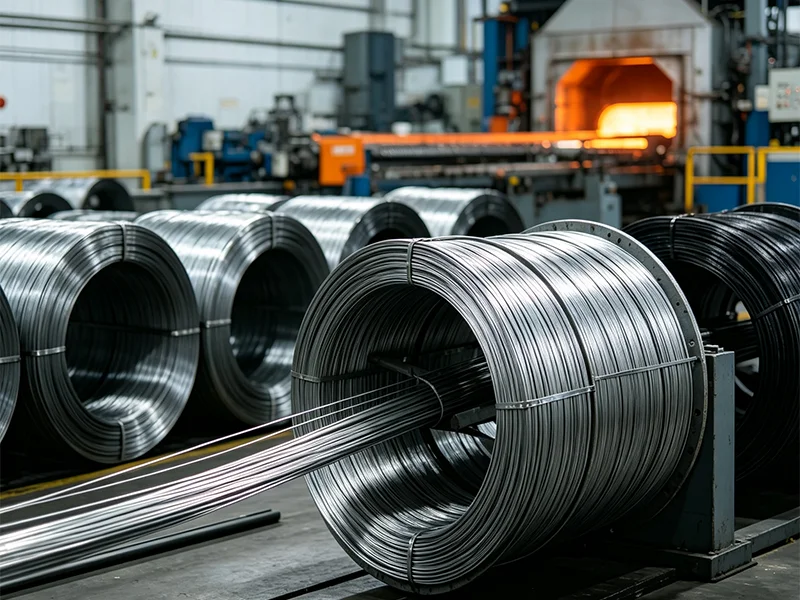
Luguan's factory is equipped with a continuous induction quenching and tempering production line, together with a water circulation cooling system and automatic take-up equipment. The actual processing route is selected according to the material and required product specification.
Quality Control for Consistent Wire Performance
Wire diameter, surface condition and mechanical properties all affect the performance of the finished spring. Luguan therefore uses dedicated testing equipment throughout steel wire production and inspection.
The factory is equipped with:
● Universal tensile testing machine for tensile strength, elongation and reduction of area
● Eddy current flaw detector for surface defect inspection
● Hardness tester for hardness control
● Metallographic analyzer for examining material structure
● Precision wire diameter caliper for dimensional inspection
● Fatigue testing machine for evaluating performance under repeated loading
These inspections provide manufacturers with more information about the wire before it enters their spring-forming process.
What to Confirm Before Buying
The same type of spring wire may be used for very different finished components, so the purchasing specification should match the actual application.
Before ordering, buyers should normally confirm:
● Required wire diameter
● Carbon steel grade or material specification
● Tensile strength and elongation requirements
● Surface finish
● Heat-treatment condition
● Spring type and forming method
● Application and working environment
● Coil weight and packaging requirements
Providing these details in advance makes it easier to discuss the appropriate wire specification and production requirements with Luguan.
Send your steel wire requirements to Luguan for a factory direct quotation. Discuss steel wire grades, sizes, quantities, customized specifications, OEM supply and competitive factory prices.
We use cookies to offer you a better browsing experience, analyze site traffic and personalize content. By using this site, you agree to our use of cookies. Privacy Policy